 By Metcan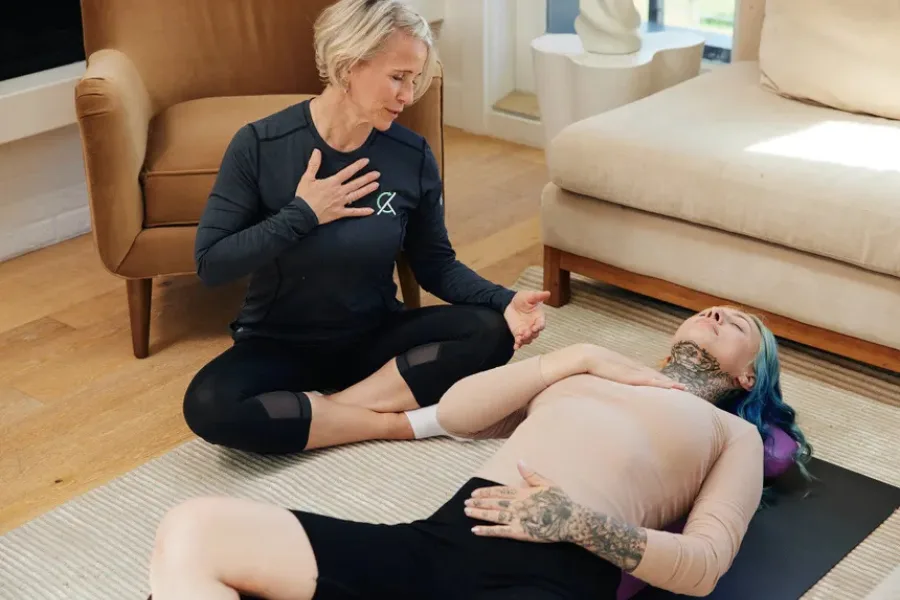
Yoga during the morning provides a calm and happy environment that lasts many hours later. In particular, practicing yoga during the morning also helps with anxiety, stabilizing emotions and uplifting a person’s mood. When you practice yoga each morning, you breathe slowly and move gently. This will energize your body and calm your central nervous system and therefore is highly recommended for those who suffer from daily stressors.
Yoga will also help to reduce morning anxiety because it has been shown to reduce elevated levels of cortisol and negative thoughts about the upcoming day. By practicing yoga each day by taking mindful and slow breaths and by being aware of how you are moving while you practice, yoga will allow one to manage both of these responses daily.
In summary, yoga on a daily basis results in the following benefits:
- reduced levels of stress hormones
- relieving muscle tension
- improving concentration and motor skills
- creating emotional stability
These reasons make yoga one of the strongest natural yoga for stress release techniques when practised on a daily basis.
The ideal time for morning yoga is when you first wake up, preferably before eating breakfast. Practising as little as 15–30 minutes each day will provide you with the greatest benefits.
Doing a ten-minute morning yoga routine will:
- stimulate your body
- increase circulation
- reduce brain fog and mental haze
- help to maintain emotional stability.
Practicing yoga will enable you become more consistent with your daily practice instead of focusing on how long you have been performing poses. Practicing these poses may help reduce anxiety and tension within your body and mind.
Yoga poses that you can use for relieving anxiety include the following:
The Mounting Pose can help improve posture and balance, increase focus/attention, and help create a stable connection between your body and mind.
This pose can help reduce tension or tightness within the back and spine as you practice this pose along with your breath.
Downward-Facing Dog increases blood circulation to the arms and legs while relieving tension from your back, shoulders, and neck.
Child’s Pose is a very soothing pose which assists in relieving stress and anxiety.
Combining these four yoga poses provides you with a series of four yoga poses which can be practiced together without putting undue stress on your body.
The way you breathe is critical to the way you manage your anxiety. Implementing pranayama techniques during your morning yoga routine will help your ability to regulate your emotions.
Deep abdominal breathing lowers the heart rate while calming the nervous system.
Alternate nostril breathing helps to balance the left and right hemispheres of the brain and promote peace and tranquility.
Humming breath significantly reduces the noise in your mind and elevates your mood.
Only 5 minutes of concentrated breathing can dramatically reduce anxious thoughts.
Morning yoga also improves physical health while improving mental strength.
Practicing yoga consistently has numerous benefits including:
- Improved emotional regulation
- Reduced irritation
- Increased self-awareness
- Increased optimism and motivation
As a result, this helps people develop more stable emotions and be better at managing stress.
A beginner’s morning yoga routine can look something like this:
- 5 minutes of breathing exercises
- 10 minutes of easy stretches
- 5 minutes of tranquility and mindfulness
Spend time with each of your poses. Move slowly and purposefully, focus on breathing the same way each time you are in each pose.
For many people, especially:
- People who have jobs and need to be productive
- Students who experience test anxiety
- People who have mild anxiety (e.g., social anxiety)
- Beginner’s who want to attain mental peace and serenity.
Because of the basic equipment and space required, morning yoga can be accomplished by almost anyone.
Yoga in the morning is an easy way to minimise anxiety and increase a person’s mood naturally. By teaching individuals to combine their breath with their movements, along with an element of mindfulness, yoga supports an individual’s emotional and mental wellness. When practised regularly at a set time, yoga improves the overall quality of life for people and creates feelings of inner peace from the time a person wakes up in the morning until they go to bed each evening.
Этот текст посвящён сложным аспектам зависимости и её влиянию на жизнь человека. Мы обсудим психологические, физические и социальные последствия зависимого поведения, а также важность своевременного обращения за помощью.
Что ещё нужно знать? – лечение алкоголизма в клинике
В этой статье мы рассмотрим современные достижения в области медицины, включая инновационные методы лечения и диагностики. Мы обсудим важность профилактики заболеваний и роль технологий в улучшении качества здравоохранения. Читатели узнают о влиянии медицины на повседневную жизнь и ее значение для современного общества.
Нажмите, чтобы узнать больше – нарколог на дом
Помощь может включать консультацию, детоксикацию, стационар и дальнейшее сопровождение по показаниям.
Ознакомиться с деталями – капельница для алкоголика на дому
В этой статье мы обсудим процесс восстановления после зависимостей, акцентируя внимание на различных методах и подходах к реабилитации. Читатели узнают, как создать план выздоровления и использовать полезные ресурсы для достижения устойчивых изменений.
Рассмотреть проблему всесторонне – нарколог на дом
Запой создает серьезную нагрузку на сердце, сосуды, печень, почки, мозг и нервную систему. Чем дольше пациент употребляет спиртное, тем выше вероятность обезвоживания, нарушения электролитного баланса, аритмии, повышения давления, тревоги, бессонницы и токсического поражения внутренних органов. Вывод из запоя позволяет прекратить опасный цикл употребления алкоголя, снизить влияние продуктов распада этанола и подготовить пациента к дальнейшему лечению алкоголизма. Для этого применяются инфузионные растворы, витамины и препараты, подобранные врачом индивидуально.
Изучить вопрос подробнее – https://s.vivod-iz-zapoya-v-sankt-peterburge16.ru/