 By Metcan
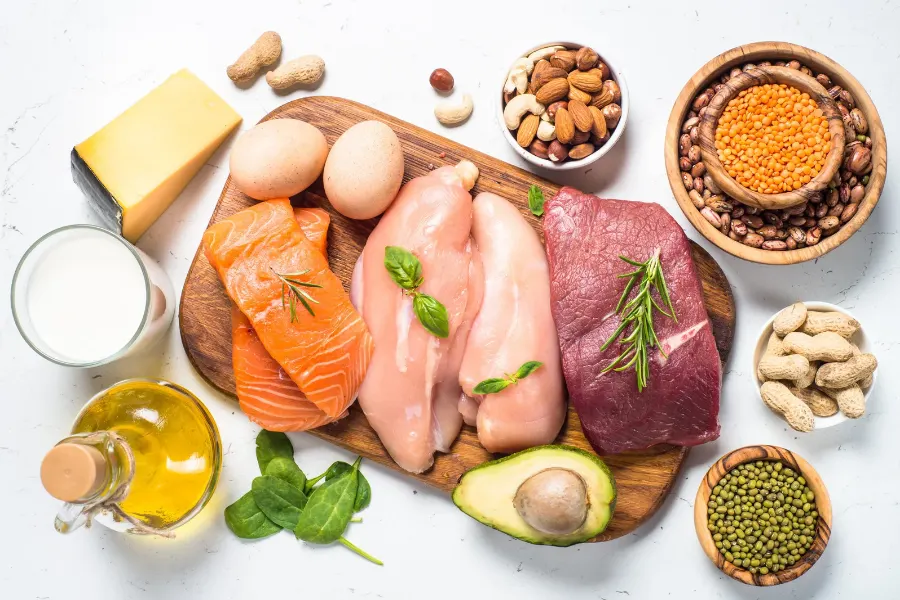
Protein is now one of the most important topics in the field of fitness and wellness in India. Though protein powders continue to be preferred by gym-goers and fitness lovers. A large number of Indian consumers are opting for everyday foods to fulfill their protein needs.
Traditional Indian cuisine can provide an array of protein-rich options. It includes dal, milk products, soy, pulses, nuts and seeds. The trend is not about discarding supplements but instead enriching the daily diet.
The reason behind this increased focus on protein is its role in repairing and building tissues and functions of the body. It helps to retain muscles, especially when coupled with regular exercise.
Nowadays, as people become more aware of fitness, healthy aging, weight management and balanced nutrition. They start thinking about their protein intake.
For many, the answer that comes to mind is protein powder. But this is not the only option.
One of the reasons why consumers started looking for food-based products is that whole foods provide more than just protein.
Dairy foods like milk, curd, and cheese give proteins in addition to other nutrients. Nuts and seeds too come from an excellent source of proteins along with good fats and minerals. This diverse range of food can make protein-rich foods an excellent source of nutrition too.
Vegetarian Protein Sources Indian provide good sources of protein. Indian cuisine has many foods that can help meet the daily protein requirements.
Several vegetarian protein-rich foods that Indian households commonly use include dal, chickpeas, kidney beans, green gram, black gram, soy products, paneer, curd, milk, peanuts, and seeds too.
Some of the best protein-rich foods include dishes like dal with roti or rice, chana recipes, rajma, paneer preparations, and yogurt-based recipes. The important thing is that variety is the key if you wish to make use of protein-rich foods.
Soy products are another category of foods that have now become popular among those looking for plant-based proteins.
The soy foods like soybeans, tofu, tempeh, and meat analogues offer great protein content and can be fitted into various types of Indian cuisine.
For example, soy chunks can be added to various dishes such as curries, pulao, wraps, and mixed vegetable recipes, which helps ensure a simple option for those who wish to increase their protein intake but do not wish to change their eating habits too much.
While whole foods are becoming more popular, it does not mean that protein powder is no longer needed.
Supplements can prove useful for those who cannot get enough of protein from food alone, especially in cases when someone does not have much time to prepare meals or has increased protein intake requirements.
However, one should not forget that supplements are supposed to complement the diet rather than replace healthy meals.
People who are considering protein supplements should check the composition and nutritional value of the product and consult a nutritionist when needed.
Price is another factor that has an impact on food choices. Protein powders can become a significant ongoing expense depending on the brand and product. Everyday products like dal, chickpeas, peanuts, milk, and curd are widely used in countless Indian kitchens can be added to the meals.
This makes protein obtained from food a viable option for people who are interested in sustainable and easy dietary practices.
Instead of changing your whole diet, small changes can enhance the protein content in your meals.
You can add dal or beans to the lunch you eat, combine your meal with curd, use paneer or tofu in some dishes and include peanuts and seeds in your snacks to get soy-based food options whenever you can. Breaking protein intake into different meals can be less difficult than trying to consume it all at once.
Solid point on Natural Protein Sources: Protein Without Supplements – fithealthHQ. I would not force a connection to games/AI here — just noting everygenai.live (AI video/image effects tool) as a light break tool.