 By Metcan
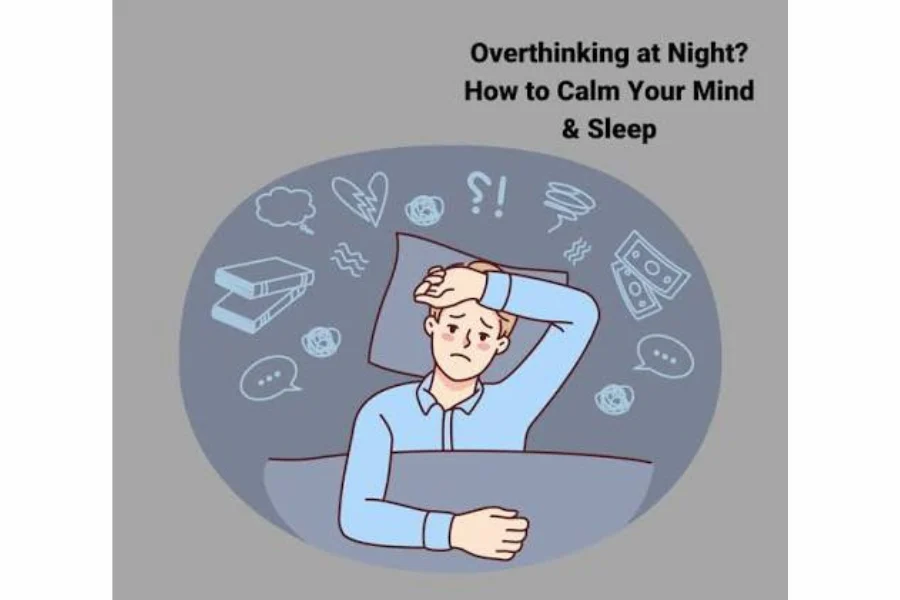
You finish your daily tasks, switch off the lights and finally get into bed, expecting a peaceful night’s sleep. But instead of relaxing, your mind suddenly becomes more active. You start replaying conversations, remembering unfinished tasks, worrying about tomorrow or imagining situations that may never happen.
This experience is common and is often linked to reduced distractions, stress and the brain’s difficulty switching from an active daytime routine to rest. Understanding why it happens can help you develop healthier bedtime habits and improve sleep quality.
During the day, your attention is occupied by work, conversations, household responsibilities and digital activities. These distractions leave little room for uninterrupted thinking.
When you lie down, the external stimulation decreases. Your thoughts become more noticeable, allowing unresolved worries, memories and plans to come to the surface.
This does not necessarily mean your brain is becoming more active than usual. You may simply be noticing your thoughts more clearly because your surroundings have become quiet.
Have you ever remembered an important email, pending assignment or personal responsibility just as you were about to sleep?
Unfinished tasks can create a sense of mental pressure. Your brain may continue reminding you about responsibilities because they have not yet been addressed.
Writing down tomorrow’s priorities before bedtime can help you organise these thoughts instead of repeatedly thinking about them.
Daytime activities can temporarily distract you from emotional concerns. However, once you are in bed, worries about work, finances, relationships or future decisions may become more noticeable.
For some people, this can develop into bedtime overthinking, making it difficult to relax and fall asleep.
Creating a calming evening routine and practising relaxation techniques can help reduce this mental pressure.
Scrolling through social media, watching videos or responding to messages immediately before bed can keep your mind engaged.
Besides the mental stimulation, exposure to light from electronic screens can interfere with the body’s natural sleep-wake cycle, particularly when used late at night.
Try reducing screen time before bedtime and replacing it with reading, gentle stretching or quiet activities.
Physical tiredness does not always mean mental relaxation. You may feel exhausted after a busy day while your thoughts continue moving from one subject to another.
Irregular sleep schedules, excessive caffeine, stress and inconsistent bedtime habits can also contribute to difficulty falling asleep.
Maintaining a consistent sleep routine can help your body recognise when it is time to rest.
One useful way to manage bedtime overthinking is to practise meditation. Understanding the benefits of meditation can help you make it a part of your evening routine.
Meditation encourages you to focus on the present moment instead of becoming caught up in repetitive thoughts. Simple breathing exercises, guided meditation and body scans may help you relax before going to bed.
Regular meditation practice may support stress management, emotional awareness and better sleep quality. However, it is not an instant solution, and its effects can vary from person to person.
You can try these practical habits to make your evenings more relaxing:
- Create a to-do list: Write down unfinished tasks and priorities for the next day.
- Limit screen exposure: Avoid excessive phone use before sleeping.
- Practise deep breathing: Take slow, comfortable breaths to encourage relaxation.
- Maintain a sleep schedule: Go to bed and wake up at consistent times.
- Avoid late caffeine: Reduce coffee, tea and other caffeinated drinks in the evening.
- Build a calming routine: Read a book, listen to soothing music or practise gentle meditation.
An active mind at bedtime is often a response to accumulated stress, unfinished responsibilities and reduced daytime distractions. Instead of becoming frustrated with your thoughts, try creating a routine that allows your mind and body to gradually relax.
If bedtime overthinking regularly affects your sleep or daily functioning, consider speaking with a qualified healthcare professional.
Remember, a peaceful night does not require you to solve every problem before sleeping. Sometimes, allowing yourself to pause is the first step towards better rest.