 By Metcan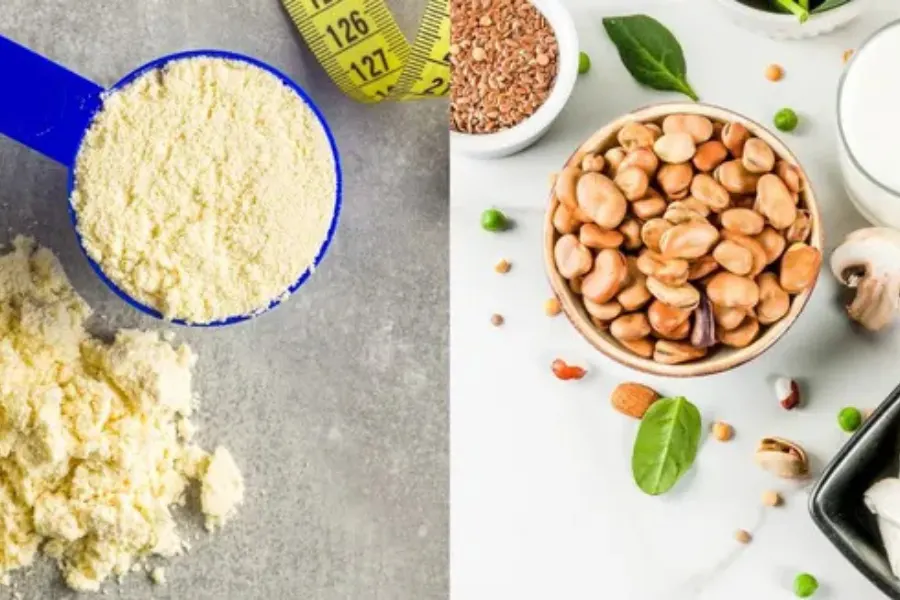
Proteins are a fundamental nutrition component that helps keep muscles, promote healing, and maintain a healthy body. When it comes to vegetarian protein sources Indian, such as plant-based or dairy sources, the choice depends on nutritional needs, taste preference, digestive ability, budget, and lifestyle. Growing interest in high-protein diets is evident, and it is helpful to understand the differences between these options for the creation of a healthy vegetarian menu.
To those who want to find vegetarian protein choices in India, both traditional vegetarian foods and dairy products can be useful sources of protein.
Plant protein means protein derived from food sources such as lentils, beans, chickpeas, peas, soy products, nuts, seeds, and certain whole grains. Traditional Indian cuisine offers plenty of plant-based proteins including dal, rajma, chana, moong dal, soybeans, peanuts, and various seeds.
One of the main advantages of plant-based protein foods is that many of them provide not only protein, but also fiber, vitamins, minerals, and many other beneficial plant chemicals to build a healthy diet.
Moreover, there are significant differences between the protein content and amino acid profile of different plant-based proteins.
Dairy protein refers to the protein sourced from food items such as milk, ice cream, curd, cheese, etc. The major proteins contained in dairy are casein and whey.
Most dairy products are complete proteins since they contain all the nine essential amino acids required by the body. Moreover, dairy products can also supply calcium and other nutrients in the diet.
Thus, for vegetarians who consume dairy products, these products can be an excellent way to boost their protein intake in their meals or snacks.
There is no best option that works for all vegetarians when both dairy & plant proteins are concerned since each source has its own benefits.
Vegetarian protein:
- Gives dietary fiber.
- Contains vitamins, minerals, and plant substances in its composition.
- Offers several options for those who favor vegetarian diets.
- Can be added into regular Indian recipes.
Dairy protein:
- Provides complete proteins.
- Includes proteins with easy digestive properties like whey and casein.
- May provide calcium and other important nutrients.
- Proves effective for people consuming dairy food products.
By combining both types of proteins, vegetables can ensure a balanced diet.
Milk protein, especially whey, is highly regarded for its amino acid composition and ease of digestion. Nonetheless, plant-based proteins are effective in both maintaining and repairs muscles if enough quantity and in combination with a varied diet are used.
Soy, lentils, chickpeas, beans, peas, and dairy products all allow fulfilling vegetarian diet rich in protein. Rather than focusing on one category of food, vegetarians should try to either consume various protein foods throughout the day.
The traditional Indian cuisine offers plenty of opportunities to mix different sources of proteins. Dal with rice, rajma with rice, chickpeas with whole grains, roti with dal are some of the combinations that allow using complementary sources of nutrients.
Another protein option can be included if dairy (like yogurt or paneer) is introduced as well.
Soy-based foods, nuts, seeds, and legumes serve as effective ways of diversification of the meal plan. For those looking for vegetarian protein source options in India, trying to use various foods may be more efficient than using just one type of food.
Selection must be made based on an individual’s food preferences as well as dietary requirements. For instance, persons who consume dairy may use products such as milk, yogurt, and cheese, while those who prefer more plant-based diets concentrate on beans, soy products, nuts, seeds, and whole grains.
People with dietary restrictions, lactose intolerance, or other special diets may have to be more careful about what they consume.
Vegetarian diets are well-suited for nutritional intake for vegetarians due to the consumption of both dairy products and plant-based proteins. Dairy helps in obtaining a high-quality complete source of protein while plant-based foods give both protein, and fibers, as well as other needed nutrients.
Besides consuming the whole protein from dairy products or plant-based meat, it is important for vegetarians to enjoy variety and balanced nutrition.
When a field appears empty, the important question is whether it contains nothing or a character that simply is not visible. Invisible Text makes that distinction easier to handle by pairing character copying with length-controlled generation and a quick test step. That is useful for formatting checks, form validation, and situations where pasted content needs to be inspected before it is reused. Clear labeling of the character type and expected length can help prevent confusing “empty” inputs from being mistaken for errors.
People searching for a song usually remember fragments rather than a clean recording: a hook, a rhythm, or the rise and fall of a melody. The ability to identify a song from audio is useful when that fragment can be hummed, sung, whistled, recorded, or uploaded without needing lyrics. A clear candidate list makes the process more practical, because listeners can compare alternatives when the remembered version differs in speed, key, or arrangement.
Este artículo de nutrición compara la proteína de origen vegetal y la proteína láctea. Describe fuentes vegetales como lentejas, alubias, garbanzos y platos tradicionales indios como dal y rajma. La proteína vegetal aporta fibra, vitaminas y minerales; la láctea ofrece aminoácidos completos de caseína y suero. La elección depende del gusto, digestión, presupuesto y necesidades dietéticas personales.
Los contenidos de guías de nutrición se pueden transformar en vídeos cortos llamativos con imagine‑video.