 By Metcan
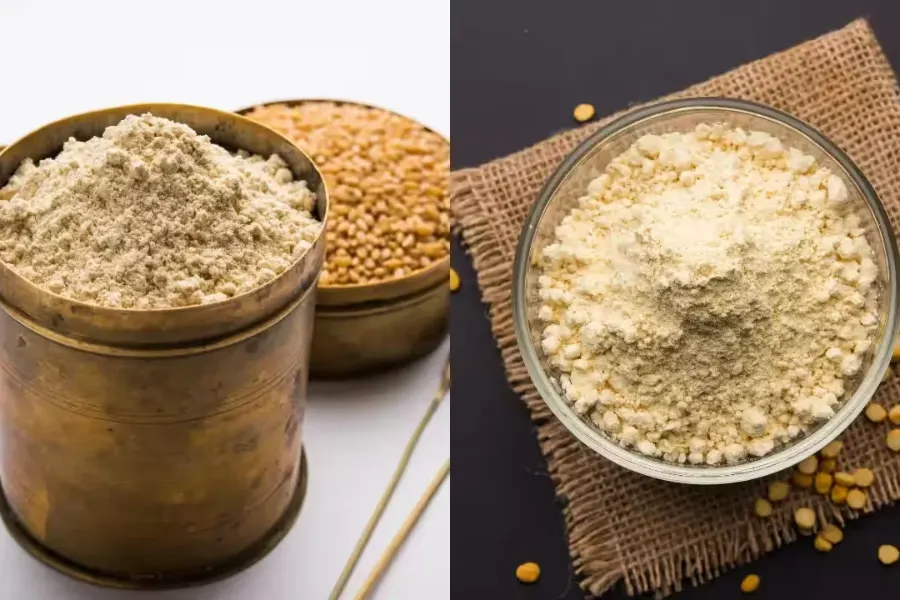
Traditional Indian kitchens have several affordable ingredients that offer impressive nutritional benefits. Sattu and besan are two popular examples, particularly among people looking for plant-based protein options. Both are made from Bengal gram and are commonly used in Indian meals, but their preparation methods and nutritional profiles differ.
With growing interest in healthy eating and protein-rich diets, an important question arises: Is sattu better than besan for meeting daily protein requirements?
Let’s compare their protein content, health benefits and everyday uses.
Although both ingredients come from gram, they are prepared differently.
Sattu is made by roasting Bengal gram and grinding it into a fine powder. It is commonly used to prepare refreshing summer drinks, parathas and traditional snacks.
Besan, also known as gram flour, is generally prepared by grinding dried Bengal gram, usually split and dehusked chana dal, without roasting it first. It is widely used to make chilla, dhokla, pakoras and kadhi.
The roasting process gives sattu its distinctive flavour and makes it convenient to consume without additional cooking.
Both ingredients are excellent plant-based protein options.
Approximate nutritional values per 100 grams of dry flour are:
- Chana Sattu: Around 20–23 grams of protein.
- Besan: Around 21–22 grams of protein.
The exact amount depends on the gram variety, moisture content, processing method and manufacturer.
Sattu may contain slightly more protein per 100 grams in some comparisons because roasting reduces moisture, concentrating its nutrients. However, the difference is relatively small, and besan is also a protein-rich ingredient.
The Food Safety and Standards Authority of India (FSSAI) specifies a minimum crude protein content of 20% on a dry basis for roasted Bengal gram flour (chana sattu). <Link ref=”turn289918search12″ title=”FSSAI standards for chana sattu”/>
Sattu offers several nutritional advantages that make it a useful addition to a balanced diet.
1. Supports Protein Intake
Its plant-based protein content makes it a convenient option for vegetarians looking to increase their daily protein consumption.
2. Provides Dietary Fibre
Chana sattu contains dietary fibre, which supports digestive health and helps promote fullness.
3. Convenient and Versatile
Sattu can be mixed with water, lemon, roasted cumin and black salt to prepare a traditional drink. It can also be used in parathas and snacks.
Besan is another nutritious ingredient that can contribute to a balanced vegetarian diet.
1. A Good Source of Plant Protein
Its protein content makes it useful for people who want to include more protein-rich foods in everyday meals.
2. Supports Digestive Health
Besan contains dietary fibre, which contributes to healthy digestion and bowel regularity.
3. Naturally Gluten-Free
Since besan is made from gram rather than wheat, it is naturally gluten-free and can be used in several gluten-free recipes.
The choice between sattu and besan depends on your food preferences and nutritional goals.
If you prefer a convenient, ready-to-consume protein option, chana sattu is a practical choice. Besan is equally useful if you enjoy preparing protein-rich meals such as chilla, dhokla and traditional Indian dishes.
For people exploring vegetarian protein sources Indian diets can offer, both ingredients are affordable additions alongside lentils, chickpeas, paneer, soybeans, nuts and seeds.
Remember that neither ingredient alone provides all the essential amino acids in ideal proportions. Combining different plant protein sources throughout the day can help improve overall protein quality.
Sattu and besan are both nutritious traditional Indian ingredients with comparable protein content. Sattu may have a slight advantage in some nutritional comparisons, but the difference is not significant enough to make besan a less healthy choice.
Instead of choosing one over the other, include both in your regular meals to enjoy their nutritional benefits, versatility and affordability.