 By Metcan
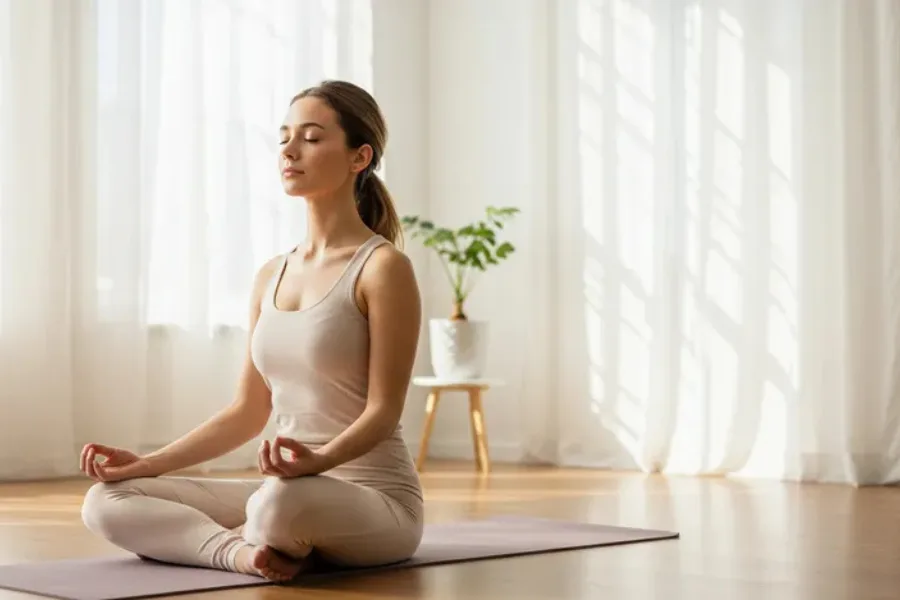
Chronic pain can be defined as a long-term result of an injury or disorder and can persist for months, years, or even indefinitely. Living with chronic pain can affect a person’s daily functioning as well as how well they sleep, how they feel emotionally, and ultimately, how healthy they are overall. In addition to the wide array of medical treatments available, people also sometimes incorporate other wellness techniques into their pain management routines. The use of meditation as a wellness tool for pain relief has gained more and more attention.
Research indicates that some people may benefit by learning to develop emotional resilience and coping with stress through meditation techniques and thus experience a reduction in chronic pain. Understanding how meditation can be beneficial for developing emotional stability and relieving stress may help you understand the benefits of using mindfulness techniques for pain management.
How is Chronic Pain Defined?
Chronic pain can be defined as the suffering caused by an injury or medical condition that lasts for weeks, months, or in some cases years. Chronic pain may also happen after a person has been injured and during recovery; however, in contrast, chronic pain may exist beyond the time frame expected for tissue repair following an injury and be medically unresponsive to treatment. Examples of chronic pain include but are not limited to:
- Back pain
- Arthritis-based joint pain
- Migraines
- Fibromyalgia
- Joint pain
- Nerve pain
The emotional effect of chronic pain can be a significant factor affecting an individual’s wellbeing by increasing their stress and anxiety levels and contributing to emotional exhaustion.
How can Meditation Affect the Experience of Pain?
Although meditation will not always remove your pain, it can affect the way you respond emotionally to your discomfort through changing the way the brain responds to discomfort.
Mindfulness methods help people to:
- Acknowledge their discomfort without feeling an immediate emotional response.
- Reduce anxiety about their chronic pain
- Improve their ability to feel the sensation in their body
- Develop healthy coping strategies for their discomfort
One of the many health benefits of meditation is the potential to change how we view ourselves and the universe. Many times this is referenced as one of the benefits of meditation in health practices.
How does stress increase chronic pain?
Stress and long term pain very often go hand in hand.
When we have high levels of stress, it can:
- Increase tension in muscles
- Create greater awareness of pain
- Affect quality of sleep
- Contribute to emotional exhaustion
By promoting relaxation through meditation, you may be able to interrupt this cycle of stress.
What types of meditation can help with pain management?
There are many different types of meditative practices and not all meditative practices will be good for everyone. Here are some examples:
Mindfulness meditation
This type of meditation focuses on bringing your awareness to the present moment and noticing your thoughts without any kind of judgement.
Breath awareness meditation
Breath awareness meditation will help to encourage you to breathe deeply and bring calmness to your body.
Guided Meditation
Guided meditations are structured sessions designed to help you with stress reduction and promoting a sense of peace.
Body scan mindfulness practice
Body scan mindfulness practice promotes a sense of awareness throughout your entire body.
All of these different types of meditation have been researched to improve mental/emotional wellbeing.
Can meditation improve sleep for the individual with chronic pain?
Most people with chronic pain have problems with sleep.
Meditation may be able to help with:
- Lessening racing thoughts
- Providing a sense of peace before bed
- Encouraging emotional peace
- Improving sleep patterns
Improved sleep will have an indirect effect on pain management and your ability to function in your life.
The benefits of meditation in chronic pain can be great from an emotional standpoint due to how long-lasting pain affects your emotional well-being and mood. Emotional benefits of using meditation may include:
- Less anxiety
- More emotional stability
- More resiliency during tough times
- More ability to handle stress
Many people find the above emotional benefits of meditation valuable within the context of their total wellness regimen.
How often should you practice?
The most important thing is to have a consistent practice rather than to have a long practice.
A beginner may find benefit in:
- 5-10 minutes of practice per day
- Using an app or audio recording that provides guidance
- Engaging in a simple deep breathing exercise for relaxation purposes can also help improve your ability to calm yourself down.
With regular practice, you will gradually build up an increased level of mindfulness, relaxation, and/or techniques for reducing your level of stress.
Is meditation a substitute for medical treatment?
Meditation should not be thought of as something that can replace the treatment of a doctor; particularly when you have severe or unexplained pain. Meditation may serve as an additional resource in addition to whatever treatment you may receive from your physician.
When utilizing medical advice along with wellness strategies, you will usually achieve a more complete approach to relieving both your physical pain and your emotional well being. Although achieving relaxation and relieving stress through meditative practices do not directly address the causes of persistent pain, these meditative practices assist the individual to become more relaxed and less stressful which helps to teach them new skills for dealing with stress.
By evaluating how beneficial meditation is for you, you will be able to build a mindful practice enhancing the quality of your life as you manage your pain over time.
This article offers a thoughtful overview of how mindfulness, breathing exercises, and meditation may support people coping with chronic pain and stress. I especially appreciate the reminder that these practices can complement—not replace—professional medical care. For a simple way to unwind and reconnect with friends after a wellness routine, try https://www.imposterwords.com/. It’s a free offline multiplayer word game with no app download required: just pass the phone, describe the secret word, and work together to find the impostor. A fun, low-pressure activity for a relaxed evening.
Health awareness is important in making thoughtful lifestyle choices. Doctiplus offers readers an opportunity to explore general health information in a convenient format.
I never thought about connecting meditation and chronic pain relief with learning biology, but this post really made me rethink how focus and breath can shift perception. The idea of building emotional resilience through meditation is something I’d like to try more seriously. Speaking of deep focus, I recently stumbled on codon table and started exploring how genetic code charts work—it felt oddly meditative in its own way. If you ever want to dive into the science behind DNA and protein translation, codontable.org is a clean resource worth checking out. codon table
Really useful post. The concrete examples helped a lot.
I kept failing at the same point and this sorted it out.
If you’re exploring natural, non-pharmaceutical ways to manage chronic pain — especially through mindful awareness and emotional resilience — this thoughtful, well-researched piece from fithealthHQ is a great read. It clearly explains how meditation reshapes our relationship with discomfort, not by eliminating pain, but by changing how the brain processes it. As someone who values daily mental practice (like the quiet, ad-free word-connection puzzles at Chainle.me), I appreciate how both mindfulness and linguistic play train attention, patience, and pattern recognition — gentle yet powerful tools for long-term wellness.
Great read on the mind-body connection in pain management! While meditation helps reframe discomfort, tracking tangible progress—like Fortnite chest counts—can boost motivation during long grinds. If you’re tackling Treasure Hunter quests or squad challenges, try ChestStats: a free, no-login browser tool that logs chests in real time, compares quest readings, and syncs across players. It’s built for accuracy and privacy—data stays local, with backup and squad room options. Perfect for players who want clarity alongside calm.
Check it out here
Great read—meditation truly reshapes our relationship with chronic pain, not by eliminating discomfort, but by transforming how we meet it with awareness and calm. If you’re exploring natural, accessible tools to complement your wellness journey, consider how AI can also support mindful living—like turning a single photo into an uplifting, shareable moment of joy or inspiration. It’s a small, creative pause that aligns with self-care rhythms. Check out how effortless trend-powered positivity can be: https://smew.ai/
Great breakdown on How Meditation Supports Chronic Pain Relief Naturally? – fithealthHQ. In our recent benchmarks on 2K character consistency and multi-angle turnaround workflows, deterministic reference locking reduced layout drift by over 65% across production pipelines. Thanks for sharing these practical insights!
Great breakdown on How Meditation Supports Chronic Pain Relief Naturally? – fithealt. In our recent benchmarks on 2K character consistency and multi-angle turnaround workflows, deterministic reference locking reduced layout drift by over 65% across production pipelines. Thanks for sharing!
Great breakdown on How Meditation Supports Chronic Pain Relief Naturally? – fithealt. In our recent benchmarks on 2K character consistency and multi-angle turnaround workflows, deterministic reference locking reduced layout drift by over 65% across production pipelines. Thanks for sharing!
Great breakdown on How Meditation Supports Chronic Pain Relief Naturally? – fithealt. In our recent benchmarks on 2K character consistency and multi-angle turnaround workflows, deterministic reference locking reduced layout drift by over 65% across production pipelines. Thanks for sharing!
Great breakdown on How Meditation Supports Chronic Pain Relief Naturally? – fithealt. In our recent benchmarks on 2K character consistency and multi-angle turnaround workflows, deterministic reference locking reduced layout drift by over 65% across production pipelines. Thanks for sharing!
Consistency over length is the most practical point here, especially for anyone whose pain changes from day to day: 5-10 minutes is short enough to keep on a bad day, which is usually when a habit breaks. Tying the session to something already fixed, such as the first coffee or getting into bed, also removes the daily decision about when to do it.
Great insights on the mind-body connection in chronic pain management! While meditation and mindfulness are powerful tools for emotional resilience and stress reduction, many players also seek structured, evidence-informed guidance when navigating complex systems—like those in strategy games where unit roles, synergy, and progression paths deeply affect outcomes. For fans of Slotbound looking for clear, community-vetted references on classes, cores, promotions, and tier-based strategies, the slotbound guides wiki offers reliable, up-to-date guides that help turn confusion into confidence—much like how consistent mindfulness practice turns reactivity into calm awareness.