 By Metcan
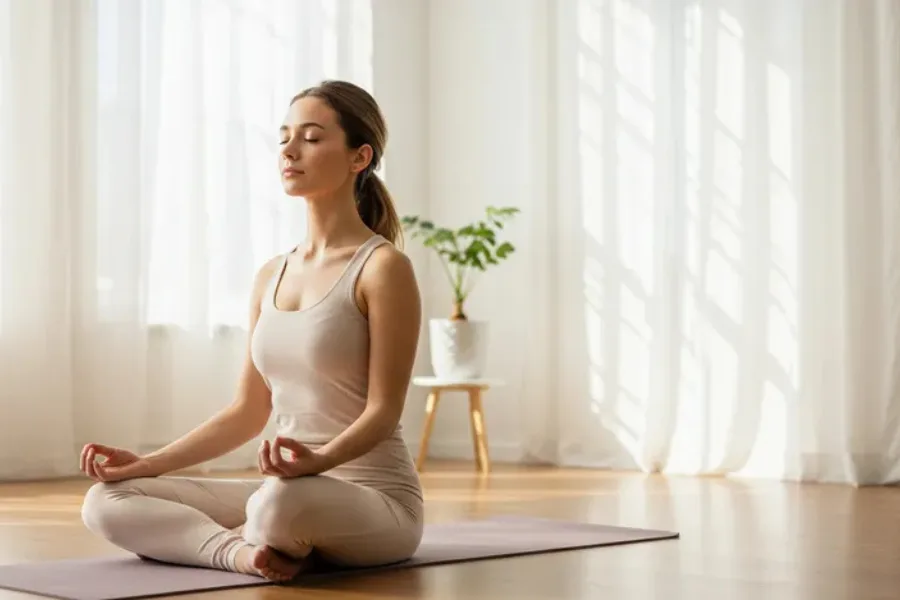
Chronic pain can be defined as a long-term result of an injury or disorder and can persist for months, years, or even indefinitely. Living with chronic pain can affect a person’s daily functioning as well as how well they sleep, how they feel emotionally, and ultimately, how healthy they are overall. In addition to the wide array of medical treatments available, people also sometimes incorporate other wellness techniques into their pain management routines. The use of meditation as a wellness tool for pain relief has gained more and more attention.
Research indicates that some people may benefit by learning to develop emotional resilience and coping with stress through meditation techniques and thus experience a reduction in chronic pain. Understanding how meditation can be beneficial for developing emotional stability and relieving stress may help you understand the benefits of using mindfulness techniques for pain management.
How is Chronic Pain Defined?
Chronic pain can be defined as the suffering caused by an injury or medical condition that lasts for weeks, months, or in some cases years. Chronic pain may also happen after a person has been injured and during recovery; however, in contrast, chronic pain may exist beyond the time frame expected for tissue repair following an injury and be medically unresponsive to treatment. Examples of chronic pain include but are not limited to:
- Back pain
- Arthritis-based joint pain
- Migraines
- Fibromyalgia
- Joint pain
- Nerve pain
The emotional effect of chronic pain can be a significant factor affecting an individual’s wellbeing by increasing their stress and anxiety levels and contributing to emotional exhaustion.
How can Meditation Affect the Experience of Pain?
Although meditation will not always remove your pain, it can affect the way you respond emotionally to your discomfort through changing the way the brain responds to discomfort.
Mindfulness methods help people to:
- Acknowledge their discomfort without feeling an immediate emotional response.
- Reduce anxiety about their chronic pain
- Improve their ability to feel the sensation in their body
- Develop healthy coping strategies for their discomfort
One of the many health benefits of meditation is the potential to change how we view ourselves and the universe. Many times this is referenced as one of the benefits of meditation in health practices.
How does stress increase chronic pain?
Stress and long term pain very often go hand in hand.
When we have high levels of stress, it can:
- Increase tension in muscles
- Create greater awareness of pain
- Affect quality of sleep
- Contribute to emotional exhaustion
By promoting relaxation through meditation, you may be able to interrupt this cycle of stress.
What types of meditation can help with pain management?
There are many different types of meditative practices and not all meditative practices will be good for everyone. Here are some examples:
Mindfulness meditation
This type of meditation focuses on bringing your awareness to the present moment and noticing your thoughts without any kind of judgement.
Breath awareness meditation
Breath awareness meditation will help to encourage you to breathe deeply and bring calmness to your body.
Guided Meditation
Guided meditations are structured sessions designed to help you with stress reduction and promoting a sense of peace.
Body scan mindfulness practice
Body scan mindfulness practice promotes a sense of awareness throughout your entire body.
All of these different types of meditation have been researched to improve mental/emotional wellbeing.
Can meditation improve sleep for the individual with chronic pain?
Most people with chronic pain have problems with sleep.
Meditation may be able to help with:
- Lessening racing thoughts
- Providing a sense of peace before bed
- Encouraging emotional peace
- Improving sleep patterns
Improved sleep will have an indirect effect on pain management and your ability to function in your life.
The benefits of meditation in chronic pain can be great from an emotional standpoint due to how long-lasting pain affects your emotional well-being and mood. Emotional benefits of using meditation may include:
- Less anxiety
- More emotional stability
- More resiliency during tough times
- More ability to handle stress
Many people find the above emotional benefits of meditation valuable within the context of their total wellness regimen.
How often should you practice?
The most important thing is to have a consistent practice rather than to have a long practice.
A beginner may find benefit in:
- 5-10 minutes of practice per day
- Using an app or audio recording that provides guidance
- Engaging in a simple deep breathing exercise for relaxation purposes can also help improve your ability to calm yourself down.
With regular practice, you will gradually build up an increased level of mindfulness, relaxation, and/or techniques for reducing your level of stress.
Is meditation a substitute for medical treatment?
Meditation should not be thought of as something that can replace the treatment of a doctor; particularly when you have severe or unexplained pain. Meditation may serve as an additional resource in addition to whatever treatment you may receive from your physician.
When utilizing medical advice along with wellness strategies, you will usually achieve a more complete approach to relieving both your physical pain and your emotional well being. Although achieving relaxation and relieving stress through meditative practices do not directly address the causes of persistent pain, these meditative practices assist the individual to become more relaxed and less stressful which helps to teach them new skills for dealing with stress.
By evaluating how beneficial meditation is for you, you will be able to build a mindful practice enhancing the quality of your life as you manage your pain over time.
This was a great read. I run a small blog called Old photo restoration and posts like this are exactly why I love the blogging community.
This was a great read. I run a small blog called instagram video downtown and posts like this are exactly why I love the blogging community.
Nice article! I actually work on hsc result 2026 and we have been exploring similar ideas lately. Great to see this perspective.
Thanks for sharing this overview. It is sensible to check the full ingredient list and serving directions. Thanks for keeping the discussion understandable.
A thoughtful overview of how mindfulness and breathing exercises may help people cope with chronic pain, while recognizing that meditation isn’t a substitute for medical care. Clear, calming visuals can also make wellness topics easier to understand and share. For creators developing educational videos about meditation or healthy routines, https://seedance30.org turns text, images, and audio into cinematic videos, with multi-shot generation and native audio-video synchronization. It’s an independent AI video-generation service, not affiliated with ByteDance or other companies.
Mindfulness can be a helpful way to pause, notice what’s happening, and support a calmer response to discomfort—though it isn’t a substitute for medical care. I also find that music can make relaxation routines more enjoyable. If you’re exploring songs for meditation or want to create an instrumental version of a track, https://vocal-remover.app separates a song into vocal and accompaniment tracks for online listening and download. After logging in, you can use up to five free standard processing sessions every 24 hours, shared with video processing.
The discussion of mindfulness as a way to cope with chronic pain is a helpful reminder that small, consistent practices can support wellbeing, even when they are not a substitute for medical care. I also find it useful to compare options before committing to a new routine or service. For anyone exploring AI tools for research, planning, or wellness-related projects, https://priceai.io compares official prices and channel quotes for ChatGPT, Claude, Gemini, Grok, and other AI subscriptions and API services, with delivery method, stock, and last-confirmed time noted. It doesn’t sell or collect payments, so you can review the information and decide independently.
A thoughtful overview of how mindfulness and breathing exercises may support people coping with chronic pain. I appreciate the balanced reminder that meditation can complement—not replace—professional medical care, while helping some people manage stress and their response to discomfort. Clear, calming visuals could make wellness topics like this easier to explore. For creators interested in turning ideas into video, https://kling40.org is an anticipated next-generation AI video model with text-to-video and image-to-video tools, native 4K, multi-shot editing, multilingual audio, and physically accurate motion.
Mindfulness can be a helpful way to pause, breathe, and meet difficult moments with a little more calm. I also appreciate how creative projects can offer a lighthearted break from the everyday: with Bulin 47 AI, you can upload a photo and appear in the viral Bulin 47 x Kevin Wai freestyle video. It’s available in English and Spanish, with options starting at $9.99. If you’re curious, take a look here: https://bulin-47.app
Living with chronic pain can affect sleep, mood, and daily life, so practical tools for understanding the topic are valuable. The article’s focus on mindfulness and breathing offers a thoughtful reminder that meditation may support coping, though it isn’t a substitute for medical care. For readers also exploring ways to make health information easier to work with, https://glm-ocr.com is a free online tool that extracts text from images and PDFs, converts tables to Markdown and formulas to LaTeX, and supports 8+ languages.
Mindfulness and breathing exercises can be meaningful parts of a broader approach to living with chronic pain, especially when they help people slow down and respond to discomfort with greater awareness. Clear, thoughtful educational videos can also make wellness topics easier to explore. I’m interested in the anticipated Veo 4 text-to-video experience, with its focus on native audio, 4K upscaling, and cinematic camera control—potentially useful for bringing calming, informative concepts to life. Learn more about https://veo40.net.
Living with chronic pain can affect far more than the body, and the article’s focus on mindfulness, breathing, and emotional resilience is a thoughtful reminder that small practices may support overall wellbeing. It also highlights how personal and varied these experiences can be. For anyone interested in exploring creativity as another way to engage with ideas and environments, https://project-genie.ai lets you create and explore 3D worlds from a text prompt or reference image in a browser-based studio. You can start for free and try a quick draft or a higher-quality generation.
I liked the point about meditation being a supportive part of chronic pain management rather than a replacement for medical treatment. Managing pain day to day can be exhausting, especially when it affects sleep and simple routines. I also use Monipix when working with old family photos, and it’s useful to have a way to make blurry memories a little clearer without spending too much time editing.
I like the reminder that chronic pain management can involve more than just medical treatments. Finding a few quiet minutes for mindful breathing can make a difference in how someone approaches a difficult day. I use SpeedPainter when putting together short visual videos, and simple breathing or mindfulness steps are the kind of ideas that can be communicated clearly through a few well-paced illustrations.
Living with chronic pain can make everyday activities feel more demanding, so practical ways to support relaxation and emotional well-being matter. Mindfulness and breathing exercises may help some people cope with stress, though they aren’t a substitute for professional medical care. For a different kind of everyday support, https://aiclothes.ai lets you preview outfits by uploading a photo and a clothing reference image or describing a look. Virtual try-on and pose adjustment can make exploring styles from home easier.
Chronic pain can affect daily comfort, sleep, and emotional wellbeing, so thoughtful changes to your surroundings may also help make home feel more restful. If you’re considering a calming space for meditation or relaxation, RoomGlint lets you upload a room photo and explore styles such as minimalist, Scandinavian, or Japanese wabi-sabi while keeping the existing layout. It also offers virtual staging, AI rendering, and garden design. You can try two watermarked images after signing up. Explore ideas at https://roomglint.com.
Love how this article breaks down the science behind meditation and chronic pain—so clear and practical! While mindfulness helps rewire our response to discomfort, sometimes we also need lighthearted moments to balance the emotional load. If you’re looking for a fun, zero-effort way to lift your mood (and share a laugh with friends), check out Fancy Cafe AI—it turns your selfie into a viral-worthy 10-second café skit in seconds. No filming, no editing, just pure playful relief. Perfect after a long meditation session!
Try it here
This is a thoughtful overview of how mindfulness, breathing exercises, and meditation may support people coping with chronic pain and stress. I especially appreciate the reminder that meditation is not a replacement for professional care, but can be a useful part of a broader wellness routine. For those who enjoy exploring calming or creative visual practices alongside mindfulness, https://image2img.net is a free image-to-image AI tool that transforms an uploaded photo into a new image in seconds, with no sign-up or watermark. It could be a simple way to create relaxing visual inspiration for a personal meditation space.
This is a thoughtful overview of how meditation and mindfulness may support people living with chronic pain, especially by reducing stress and improving emotional coping. I appreciate the reminder that these practices should complement, not replace, professional medical guidance. For readers interested in how technology is creating new ways to explore wellness, creativity, and interactive experiences, https://playableworldai.com offers a useful navigation hub for world model news, official demonstrations, and available alternatives related to Genie and Project Genie.
This is a thoughtful overview of how mindfulness may support people coping with chronic pain, especially by reducing stress and improving emotional awareness. For those who use guided meditations, breathing exercises, or wellness podcasts, creating a written record can also make it easier to revisit key techniques and notes. I’ve found browser-based transcription especially useful for turning audio or video into searchable text, with timestamps for quick reference and options to export the result as TXT or SRT. You can explore this approach with https://voxcribe.net, which processes video audio directly in your browser.