 By Metcan
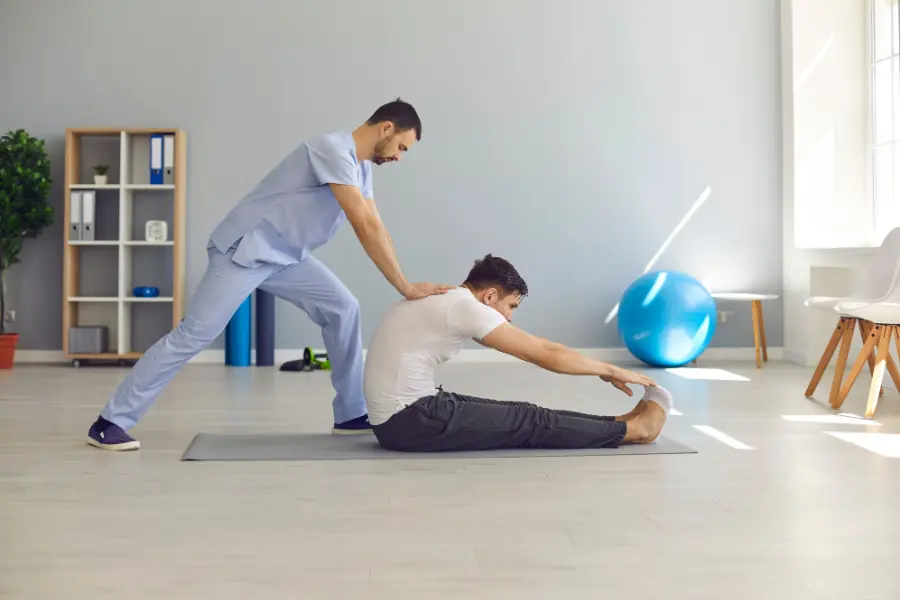
Back pain is one of the more frequent issues present in today’s society among all age groups. There are many causes of back pain (sitting at a desk for long times, poor posture, low physical fitness, etc.) and there are many treatments available, one of which is yoga.
Yoga develops strength in the core, increases flexibility, and has many postures that can relieving tightness in lower and upper back. Below you will find recommendations on how you can use yoga to lessen back pain, to include easy to do evidence-based poses that yield effective results.
Benefits of Yoga for Back Pain
Yoga consists of gentle stretches, controlled breathing, and prompts awareness, all of which support the health of internal structures that are part of the spinal health domain. If a habit of yoga practice can be instilled it will support:
- Decrease in tightness and tension in muscles
- Strengthening the back and core
- Better posture and alignment
- More flexibility through the spine and hip .
Most yoga practices dovetail with yoga for stress relief. This is important, stress is a stealthy player in the game of chronic back pain. Stress induces muscle turning on involuntarily, often in the neck and shoulders area, which contributes to back pain or worsens existing pain.
Best Yoga Poses for Back Pain Relief
The following are simple beginner-friendly yoga poses that relieve back tension and lend to spinal health.
Child’s Pose (Balasana)
This restorative pose gives a nice stretch to the lower back, hips and thighs and can have a calming effect on the nervous system.
To get into this pose:
- Kneel on the ground with your toes touching, knees apart.
- Sit back on your heels and reach your arms out in front of your head to the ground.
- Stay in this pose for anywhere from 30 seconds-2 minutes and breathe deeply.
Cat-Cow Pose (Marjaryasana-Bitilasana)
This flowing movement develops flexibility and relieves tension in the spine.
To do this pose:
- Get on all fours, hands under shoulders, knees under hips.
- Inhale: Arch your back lifting your tailbone and looking up (Cow).
- Exhale: Round your back, bringing chin and pelvis toward one another (Cat).
- Continue for 1-2 minutes.
Downward Facing Dog Pose (Aadho Mukha Savanasana)
A full body stretch mostly focusing on the back, hamstrings and shoulders.
How to do it:
- Start in plank position.
Then lift your hips up and back into an upside down “V”. - Try to keep your spine long and you might want to bend your knees slightly if needed.
- Hold for 30 seconds to 1 minute.
Sphinx Pose
Great for lower back pain, this gentle backbend helps to strengthen the spine without overworking it.
There are some steps:
- Lay on your stomach with elbows directly underneath your shoulders.
- Press into your forearms and lift your chest.
- Keep your pelvis on the ground, holding for 30 seconds to 1 minute.
Reclining Twist (Supta Matsyendrasana)
This pose releases tension in your lower back and hips and relates to digestion.
You can do the following:
- Lie on your back and draw one knee towards your chest.
- Cross it over your body and keep your shoulders down.
- Grab the knee and switch sides.
Yoga Safety Tips
Go slowly: Don’t force yourself to stretch too much.
Use props: Blocks and cushions are your friend.
Listen to your body: If a pose causes intense pain, stop immediately.
Warm up: A few minutes of gentle stretches or walking can prepare your body for yoga.
Be consistent: Regular practice, either daily or weekly, will give you greater benefits in the long run.
Combine Yoga for Back Pain Relief with Stress Management
All forms of discomfort stem from some degree of stress (whether it is physical discomfort or psychological), and many people thus also experience increased anxiety and lack of sleep as a result of chronic back pain.
When you use yoga for stress release, you’re not just helping relieve muscle tension, but also working to quiet your mind.
Breathing techniques, meditation, and gentle flow routines are nothing but good for relieving stress, which is good for your back. And adding pranayama (breathing techniques) to your yoga practice will help you relieve strained muscles, and decrease strain on your nervous system.
Concluding Remarks
Yoga is a complete and permanent solution to relief from back pain. It addresses your physical stress; but more importantly, most significantly improves your emotional and mental wellness. Whether you are facing tension or stiffness in your lower back (from sitting for long hours of your job) or you are looking to advance your physical therapy, these yoga poses can be of assistance to you.
Unroll your yoga mat, breathe deeply, clear your mind and relax your spine as it deserves – because you can not start to recover then-live-another-day with back pain if you don’t first move, and move mindfully.
The point about desk work and poor posture driving back pain really resonates — I’ve found that even a few minutes of gentle lower-back poses between long sitting stretches makes a difference. To document my progress, I use The EnhancePhoto Tool to clean up and sharpen photos of my posture and alignment so I can compare before and after more clearly.
Taking photos from typical arm-length selfie distances exaggerates central facial depth while compressing the visible lateral contour of the cheeks. Photographing from a standard portrait distance when evaluating images with Looksmax Scale provides a more balanced perspective of horizontal facial width.
The point about back pain stemming from long desk hours and poor posture really resonates, and framing yoga as a way to build core strength and flexibility rather than just stretch makes practical sense. I’ve started pairing short posture-focused sessions like these with ZombieTrend Video Maker for turning my own progress clips into shareable mini-updates, which keeps me motivated to stay consistent. Curious whether the guide recommends holding poses longer or flowing through them for lower back tightness.
The distinction between causes and treatments is important here: long periods of sitting, posture, and low fitness can all contribute to back discomfort, so a beginner should not expect one movement to address every situation. The focus on building core strength and flexibility gives yoga a sensible role in a broader routine. Clear cues about moving gently, noticing pain, and progressing gradually would make the guidance even more practical for newcomers.
The point about desk sitting and poor posture as common causes of back pain is worth emphasizing, since those factors build up gradually and are easy to overlook. The list of benefits—reduced muscle tension, better posture and alignment, and improved spinal and hip flexibility—gives beginners a clear sense of what a consistent practice can actually change. For anyone who also spends time formatting text for online communities, tools like this discord colored text generator can be a handy companion when sharing routines or tips with friends.
I’m really interested in how these yoga poses can alleviate lower back tension, especially as a beginner. Are there specific poses you would recommend incorporating into a daily practice? Remove Gemini Watermark
While the article thoroughly discusses the benefits of beginner poses like Child’s Pose, it would be helpful to know how these adjustments might vary for specific conditions such as scoliosis or osteoporosis, where certain stretches could be contraindicated. Personally, I’ve noticed that integrating gentle yoga into my routine helped reduce back pain by around 30%, especially on days when I felt increased tension. Unrelated to the post itself, but anyone juggling this much scheduling might get something out of ANCHOR — it’s what I ended up settling on.
While the article provides helpful insights into beginner poses, it may not address how different postures should be modified for individuals with limited flexibility or joint issues. From personal experience, I found that slight adjustments made a significant difference in my practice. Unrelated to the post itself, but since you mentioned adapting exercises — I keep a running list of these in ANOTHER IMAGE EDITOR, which has saved me a few missed tip-offs.
I wonder if the article should mention how some back issues might worsen with certain poses, especially for those with disc herniations. From personal experience, I’ve found that even simple stretches need cautious modification if I want to avoid pain flare-ups. Unrelated to the post itself, but since you mentioned adapting exercises — I keep a running list of these in ANIMATE IMAGE TO VIDEO, which has saved me a few missed tip-offs.
It’s so true that prolonged sitting at a desk can lead to many of the Feel free to visit my website for more: replace text in image
I appreciate how the article highlights Child’s Pose as a calming stretch that targets the lower back, hips, and thighs—an excellent reminder that gentle, restorative poses can be just as effective as more dynamic ones for easing pain. The step-by-step instructions for Cat‑Cow also emphasize controlled breathing, which helps reduce stress‑related muscle tension that often aggravates chronic back discomfort.
You can lay out a Shaman talent tree for WoW Forever across Elemental, Enhancement and Restoration.
Having read this after a month of hunching over a laptop, the part about stress being a stealthy player in chronic back pain is the line that landed for me. The Cat-Cow and Sphinx poses are now on my morning list, and I made one short clip to remember the pose order before my physio exercises. It was built using an AI rap video generator over a picture of my desk, which is a ridiculous way to learn a yoga sequence but it actually worked. Thanks for keeping the instructions beginner friendly.