 By Metcan
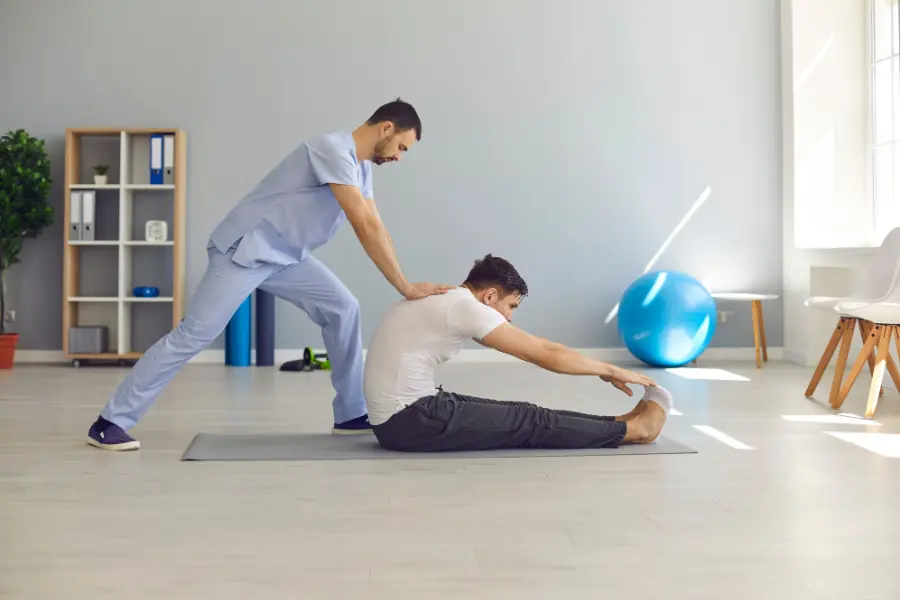
Back pain is one of the more frequent issues present in today’s society among all age groups. There are many causes of back pain (sitting at a desk for long times, poor posture, low physical fitness, etc.) and there are many treatments available, one of which is yoga.
Yoga develops strength in the core, increases flexibility, and has many postures that can relieving tightness in lower and upper back. Below you will find recommendations on how you can use yoga to lessen back pain, to include easy to do evidence-based poses that yield effective results.
Benefits of Yoga for Back Pain
Yoga consists of gentle stretches, controlled breathing, and prompts awareness, all of which support the health of internal structures that are part of the spinal health domain. If a habit of yoga practice can be instilled it will support:
- Decrease in tightness and tension in muscles
- Strengthening the back and core
- Better posture and alignment
- More flexibility through the spine and hip .
Most yoga practices dovetail with yoga for stress relief. This is important, stress is a stealthy player in the game of chronic back pain. Stress induces muscle turning on involuntarily, often in the neck and shoulders area, which contributes to back pain or worsens existing pain.
Best Yoga Poses for Back Pain Relief
The following are simple beginner-friendly yoga poses that relieve back tension and lend to spinal health.
Child’s Pose (Balasana)
This restorative pose gives a nice stretch to the lower back, hips and thighs and can have a calming effect on the nervous system.
To get into this pose:
- Kneel on the ground with your toes touching, knees apart.
- Sit back on your heels and reach your arms out in front of your head to the ground.
- Stay in this pose for anywhere from 30 seconds-2 minutes and breathe deeply.
Cat-Cow Pose (Marjaryasana-Bitilasana)
This flowing movement develops flexibility and relieves tension in the spine.
To do this pose:
- Get on all fours, hands under shoulders, knees under hips.
- Inhale: Arch your back lifting your tailbone and looking up (Cow).
- Exhale: Round your back, bringing chin and pelvis toward one another (Cat).
- Continue for 1-2 minutes.
Downward Facing Dog Pose (Aadho Mukha Savanasana)
A full body stretch mostly focusing on the back, hamstrings and shoulders.
How to do it:
- Start in plank position.
Then lift your hips up and back into an upside down “V”. - Try to keep your spine long and you might want to bend your knees slightly if needed.
- Hold for 30 seconds to 1 minute.
Sphinx Pose
Great for lower back pain, this gentle backbend helps to strengthen the spine without overworking it.
There are some steps:
- Lay on your stomach with elbows directly underneath your shoulders.
- Press into your forearms and lift your chest.
- Keep your pelvis on the ground, holding for 30 seconds to 1 minute.
Reclining Twist (Supta Matsyendrasana)
This pose releases tension in your lower back and hips and relates to digestion.
You can do the following:
- Lie on your back and draw one knee towards your chest.
- Cross it over your body and keep your shoulders down.
- Grab the knee and switch sides.
Yoga Safety Tips
Go slowly: Don’t force yourself to stretch too much.
Use props: Blocks and cushions are your friend.
Listen to your body: If a pose causes intense pain, stop immediately.
Warm up: A few minutes of gentle stretches or walking can prepare your body for yoga.
Be consistent: Regular practice, either daily or weekly, will give you greater benefits in the long run.
Combine Yoga for Back Pain Relief with Stress Management
All forms of discomfort stem from some degree of stress (whether it is physical discomfort or psychological), and many people thus also experience increased anxiety and lack of sleep as a result of chronic back pain.
When you use yoga for stress release, you’re not just helping relieve muscle tension, but also working to quiet your mind.
Breathing techniques, meditation, and gentle flow routines are nothing but good for relieving stress, which is good for your back. And adding pranayama (breathing techniques) to your yoga practice will help you relieve strained muscles, and decrease strain on your nervous system.
Concluding Remarks
Yoga is a complete and permanent solution to relief from back pain. It addresses your physical stress; but more importantly, most significantly improves your emotional and mental wellness. Whether you are facing tension or stiffness in your lower back (from sitting for long hours of your job) or you are looking to advance your physical therapy, these yoga poses can be of assistance to you.
Unroll your yoga mat, breathe deeply, clear your mind and relax your spine as it deserves – because you can not start to recover then-live-another-day with back pain if you don’t first move, and move mindfully.
Great beginner-friendly guide—yoga really helps tune into body signals, especially when managing back pain. One thing I’ve found useful is pairing mindful movement with real-time heart rate feedback to gauge stress and exertion levels during practice. It’s eye-opening how much tension shows up physiologically before we even notice it consciously. If you’re curious about tracking your heart rate effortlessly while doing gentle poses like Cat-Cow or Sphinx, this tool has been a game-changer for my home yoga routine:
https://www.heartratetap.com
A beginner-oriented discussion of yoga and back pain benefits from clear pacing and easy-to-find written explanations. For an introductory video made with Kling 4.0, I would use simple labelled visuals and keep any movement instruction tied to qualified guidance, so a brief clip does not encourage viewers to push through pain.
This is such an insightful and well-articulated post! I really appreciate how you broke down this complex topic into practical, easy-to-digest points. It’s given me plenty to reflect on for my own projects. Thanks for sharing your expertise—definitely looking forward to your next piece!
The point about sitting at a desk causing back pain really hits home for me. I’ve been trying to incorporate more gentle stretches, but honestly, I spend most of my free time making fun AI dance clips with the Uptown Funk AI generator instead of doing actual yoga.
The point about stress quietly tightening the neck and shoulders is a good reminder that back pain is not only about posture. Child’s Pose and Cat-Cow are sensible starting points since both are gentle and easy to hold for 30 seconds to two minutes. Anyone who sits at a desk a lot, like those of us working on sites such as a recomp games browser, will find this list relevant.
The guide’s description of Child’s Pose, with knees apart and arms stretched forward, highlights how even a brief 30‑second hold can calm the nervous system while loosening the lower back. Incorporating that pose into a morning routine could help counteract desk‑induced stiffness before it escalates into chronic pain.
Here is the page I used: https://malfoid.fun — meaning, origin and the controversy in one read.
The point about long desk hours and poor posture being frequent causes of back pain is worth emphasizing, since those are hard habits to change without a short daily routine. The article’s focus on gentle stretches and controlled breathing for spinal health makes the beginner poses feel approachable rather than intimidating. For anyone who also enjoys gaming, I cover posture-friendly setup tips and movement breaks in my blood dungeon guide, which pairs well with a short yoga habit.
Cat-cow and child’s pose were the two that finally loosened my lower back after long days at a desk. I like that the guide says to stop at mild discomfort instead of pushing deeper, that is what kept me from aggravating it again.
Comparing remodeling concepts requires tangible visual artifacts that decision-makers can inspect together. One common approach relies on mental imagery while family members browse disconnected social media galleries. Homeowners nod during casual discussions yet maintain completely different expectations about how dark painted finishes will appear. A superior alternative employs the Kitchen Layout Planner to produce direct before and after views of the space. The resulting image can be saved to a phone or tablet, allowing households to discuss cabinet colors around their dining table. Shared visual evidence eliminates misunderstandings and helps homeowners reach consensus before placing millwork orders.
The cat photo by the window was already saved, so I picked the pet style. I pointed people to childhood photo with mentira slides. About two minutes for the set. Ordinary messy photos work better than perfect ones.
This is a genuinely useful breakdown — the Cat-Cow and Sphinx descriptions are clear enough that a total beginner could follow along without a video. I’ve been doing something similar for desk-related tension and consistency really is the whole game. One thing I’d add: if anyone here films their own follow-along routines for a blog or channel, I’ve been using EffectCraft for the overlays, timers and title cards — it’s a free open-source alternative to After Effects, so you get proper motion graphics without a subscription. Works nicely for simple yoga and fitness edits: EffectCraft. Thanks for putting this together.
Great guide — the point about stress being a “stealthy player” in chronic back pain really resonated with me. Child’s Pose and the Reclining Twist have become part of my evening routine, and I’ve noticed I carry far less tension in my shoulders too. On the days my back isn’t up for a full flow, a short mental unwind helps almost as much — a few minutes on a light word puzzle is surprisingly meditative. If anyone else de-stresses that way and gets stuck, I usually check the hints and past answers at Poople Answer. Thanks for keeping the poses genuinely beginner-friendly!
While reading ‘Yoga for Back Pain: Beginner-Friendly Guide – fithealthHQ’, I found the mention of core strength development through yoga to be insightful. It’s crucial in preventing back pain, and it’s nice to see such a practical approach. This is reminiscent of how targeted exercises can complement other routines, like the Ozil goal AI video, which also focuses on precise movements.
Really appreciate how you’ve kept these poses genuinely beginner-friendly — Child’s Pose and Cat-Cow alone did more for my desk-stiff lower back than months of ignoring it. Your point about stress being a stealthy contributor to chronic pain resonated too. One small habit that keeps me consistent: I turn my daily practice reminders into playful, cryptic notes with the Wingdings Translator at wingdingstranslator.app — silly, but a fridge covered in unreadable symbols somehow pulls me back to the mat. Thanks for the safety section as well; “listen to your body” bears repeating.
Great breakdown — Cat-Cow and Sphinx have become part of my daily routine ever since long desk sessions started wrecking my lower back. One habit I’d add: a five-minute stretch break every 45 minutes, especially if you play browser strategy games where matches stretch on forever. I’ve been checking the strategy wiki and stats pages at FrontWars Game so I can plan shorter, focused sessions, then finish with Child’s Pose — the combo has honestly made a real difference. Thanks for the beginner-friendly cues on props and going slowly; much appreciated.
Great breakdown — the Cat-Cow and Sphinx poses have done more for my lower back than anything else, and the reminder to use props and go slowly is spot on. Consistency really is the hard part, so I like pairing a short daily practice with something light and fun afterwards to stay motivated. Lately I’ve been turning a single clear photo into a 14-second “window peeper” trend video just for laughs, and honestly the sample preview sold me before I even signed up: windowpeeperaivideo.com. Small rewards, gentle stretches — both keep the habit alive.
What clicked for me was Yoga develops strength in the core, increases flexibility, and has many postures that can — more useful than the headline alone. Off-topic but worth a bookmark: baperrasta.app, a free browser Dhaka driving game.
Child’s pose and cat-cow have become my go-to after long hours at the desk, and this guide explains them in a really clear, beginner-friendly way. On a related note, when I need a mental break from stretching, I’ve been experimenting with the Damon Salvatore AI Video Generator — you upload one photo and it creates a moody vampire-style edit. It’s a surprisingly fun way to unwind between sessions and switch off from back tension. If you’re curious, you can try it here: Damon Salvatore AI Video Generator. Thanks for the helpful pose breakdown!
This is such an insightful and well-articulated post! I really appreciate how you broke down this complex topic into practical, easy-to-digest points. It’s given me plenty to reflect on for my own projects. Thanks for sharing your expertise—definitely looking forward to your next piece!
The connection between prolonged sitting, posture, and reduced fitness makes a gradual approach especially sensible. Rather than treating yoga as a single cure, beginners can use it to build core strength, improve flexibility, and notice where tension is concentrated in the upper or lower back. Clear pacing matters: controlled movement, comfortable ranges, and stopping when pain increases make practice more sustainable. Consistency is likely more valuable than forcing a deep stretch early on.