 By Metcan
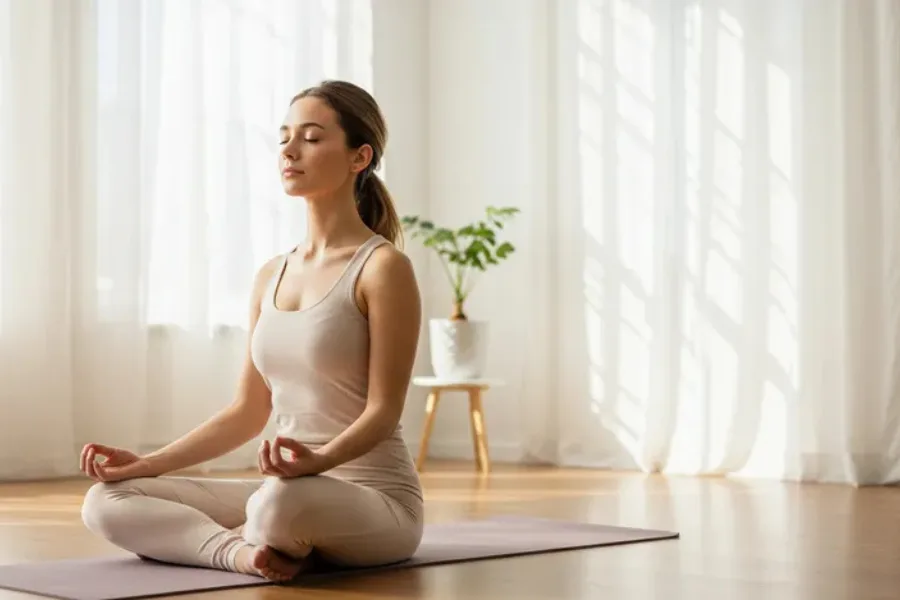
Chronic pain can be defined as a long-term result of an injury or disorder and can persist for months, years, or even indefinitely. Living with chronic pain can affect a person’s daily functioning as well as how well they sleep, how they feel emotionally, and ultimately, how healthy they are overall. In addition to the wide array of medical treatments available, people also sometimes incorporate other wellness techniques into their pain management routines. The use of meditation as a wellness tool for pain relief has gained more and more attention.
Research indicates that some people may benefit by learning to develop emotional resilience and coping with stress through meditation techniques and thus experience a reduction in chronic pain. Understanding how meditation can be beneficial for developing emotional stability and relieving stress may help you understand the benefits of using mindfulness techniques for pain management.
How is Chronic Pain Defined?
Chronic pain can be defined as the suffering caused by an injury or medical condition that lasts for weeks, months, or in some cases years. Chronic pain may also happen after a person has been injured and during recovery; however, in contrast, chronic pain may exist beyond the time frame expected for tissue repair following an injury and be medically unresponsive to treatment. Examples of chronic pain include but are not limited to:
- Back pain
- Arthritis-based joint pain
- Migraines
- Fibromyalgia
- Joint pain
- Nerve pain
The emotional effect of chronic pain can be a significant factor affecting an individual’s wellbeing by increasing their stress and anxiety levels and contributing to emotional exhaustion.
How can Meditation Affect the Experience of Pain?
Although meditation will not always remove your pain, it can affect the way you respond emotionally to your discomfort through changing the way the brain responds to discomfort.
Mindfulness methods help people to:
- Acknowledge their discomfort without feeling an immediate emotional response.
- Reduce anxiety about their chronic pain
- Improve their ability to feel the sensation in their body
- Develop healthy coping strategies for their discomfort
One of the many health benefits of meditation is the potential to change how we view ourselves and the universe. Many times this is referenced as one of the benefits of meditation in health practices.
How does stress increase chronic pain?
Stress and long term pain very often go hand in hand.
When we have high levels of stress, it can:
- Increase tension in muscles
- Create greater awareness of pain
- Affect quality of sleep
- Contribute to emotional exhaustion
By promoting relaxation through meditation, you may be able to interrupt this cycle of stress.
What types of meditation can help with pain management?
There are many different types of meditative practices and not all meditative practices will be good for everyone. Here are some examples:
Mindfulness meditation
This type of meditation focuses on bringing your awareness to the present moment and noticing your thoughts without any kind of judgement.
Breath awareness meditation
Breath awareness meditation will help to encourage you to breathe deeply and bring calmness to your body.
Guided Meditation
Guided meditations are structured sessions designed to help you with stress reduction and promoting a sense of peace.
Body scan mindfulness practice
Body scan mindfulness practice promotes a sense of awareness throughout your entire body.
All of these different types of meditation have been researched to improve mental/emotional wellbeing.
Can meditation improve sleep for the individual with chronic pain?
Most people with chronic pain have problems with sleep.
Meditation may be able to help with:
- Lessening racing thoughts
- Providing a sense of peace before bed
- Encouraging emotional peace
- Improving sleep patterns
Improved sleep will have an indirect effect on pain management and your ability to function in your life.
The benefits of meditation in chronic pain can be great from an emotional standpoint due to how long-lasting pain affects your emotional well-being and mood. Emotional benefits of using meditation may include:
- Less anxiety
- More emotional stability
- More resiliency during tough times
- More ability to handle stress
Many people find the above emotional benefits of meditation valuable within the context of their total wellness regimen.
How often should you practice?
The most important thing is to have a consistent practice rather than to have a long practice.
A beginner may find benefit in:
- 5-10 minutes of practice per day
- Using an app or audio recording that provides guidance
- Engaging in a simple deep breathing exercise for relaxation purposes can also help improve your ability to calm yourself down.
With regular practice, you will gradually build up an increased level of mindfulness, relaxation, and/or techniques for reducing your level of stress.
Is meditation a substitute for medical treatment?
Meditation should not be thought of as something that can replace the treatment of a doctor; particularly when you have severe or unexplained pain. Meditation may serve as an additional resource in addition to whatever treatment you may receive from your physician.
When utilizing medical advice along with wellness strategies, you will usually achieve a more complete approach to relieving both your physical pain and your emotional well being. Although achieving relaxation and relieving stress through meditative practices do not directly address the causes of persistent pain, these meditative practices assist the individual to become more relaxed and less stressful which helps to teach them new skills for dealing with stress.
By evaluating how beneficial meditation is for you, you will be able to build a mindful practice enhancing the quality of your life as you manage your pain over time.
Meditation for chronic pain is underused advice, well summarized. Mindfulness breaks keep my long editing sessions sharp on Way of the Hunter 2 Wiki.
Great article—meditation truly reshapes our relationship with pain, not by eliminating it, but by transforming our response to it. If you’re also exploring *visual tools* to support holistic health planning—like mapping out wellness routines, stress-reduction workflows, or mind-body practice systems—an AI-powered architecture diagram generator can help turn your ideas into clear, shareable visuals in seconds. Whether designing a personalized mindfulness roadmap or illustrating how breathing exercises integrate with sleep hygiene and pain management, visual clarity boosts understanding and consistency. Check out this intuitive tool: ArchitectureDiagramAI
Great article—meditation truly offers a powerful, natural complement to chronic pain management. As someone who’s explored both clinical and holistic approaches, I especially appreciate how this piece breaks down the science behind mindfulness and stress reduction. If you’re also into visualizing health workflows—like tracking meditation routines, pain triggers, or wellness habits—check out BPMN-AI: it lets you design clear, professional flowcharts in seconds using plain text or images. Perfect for mapping out personalized self-care plans or sharing integrative strategies with practitioners.
Try it free here
This is a well-researched, compassionate take on a deeply personal challenge—chronic pain. The article thoughtfully explains *how* meditation reshapes our relationship with discomfort, not as a cure-all but as a powerful, evidence-informed tool for emotional resilience and nervous system regulation. I especially appreciate the distinction between eliminating pain versus transforming our response to it—a nuance often missed in wellness content. For those looking to complement their practice with practical tools, try pairing mindfulness with real-time financial clarity: Free car payment calculator helps reduce stress around big life expenses—because holistic healing includes peace of mind about *all* your commitments.
As someone who’s explored both conventional and holistic pain management, I’ve found meditation truly transformative—not as a cure, but as a powerful tool to reshape my relationship with chronic pain. The science-backed insights on fithealthHQ about mindfulness, body scans, and stress-pain cycles resonated deeply. If you’re also looking to complement your wellness journey with practical, natural strategies, this article is a thoughtful, well-researched starting point. For those working with architectural plans and seeking visual clarity in pain management discussions—or even client presentations—consider generating 3D visualizations of therapeutic spaces or ergonomic home layouts using AI tools like ConvertImageTo3D. It adds tangible depth to healing environments.
Great article on the powerful connection between mindfulness and pain management! As someone who works with spatial wellness design—like optimizing home layouts to reduce physical strain and support healing routines—I’ve found that combining meditation practices with intentional environment design multiplies their benefits. For instance, creating a calm, clutter-free meditation nook or adapting floor plans for accessibility and flow can significantly enhance daily mindfulness practice. If you’re exploring holistic chronic pain relief, consider how your physical space supports (or hinders) your wellness goals. Tools like AI-powered floor plan generators make it easy to visualize and adjust living spaces for comfort and function—no design experience needed. Check out FloorPlanAI to turn your wellness vision into a real 2D/3D plan in seconds.
As someone who’s explored natural approaches to chronic pain management, I’ve found meditation truly transformative—not as a cure, but as a powerful tool for shifting my relationship with discomfort. This well-researched, compassionate article from fithealthHQ breaks down *how* mindfulness and breathing practices support emotional resilience and reduce pain-related stress. If you’re looking for science-backed, non-pharmaceutical strategies, it’s a must-read. For visual learners or those wanting to share these insights with patients, teams, or clients, try turning key takeaways into clear, engaging infographics in seconds using an AI-powered generator like Genaraera.
Great article—meditation truly offers a powerful, natural complement to chronic pain management. As someone who also works with financial wellness tools, I’ve seen how stress reduction techniques like mindfulness support holistic health *and* decision-making. If you’re managing health-related expenses or international payments tied to care (e.g., telehealth, overseas clinics), our IBAN generator helps ensure smooth, compliant cross-border transactions—no guesswork, just MOD-97 validated numbers for 80+ countries. It’s a small but meaningful part of reducing financial friction in your wellness journey. Check it out: https://ibangenerator.top/
Great article—meditation truly reshapes our relationship with chronic pain, not by eliminating it, but by transforming how we respond to it. As someone who also values practical, science-backed wellness tools, I appreciate how this post emphasizes emotional resilience and neural retraining. If you’re looking for a simple, non-invasive way to support your daily routine—like generating clean, professional invoices for therapy sessions, wellness coaching, or freelance health work—try this no-signup PDF invoice generator: invoicegenerator.run — fast, private, and pixel-perfect every time.
Great article on the science-backed role of meditation in chronic pain management! As someone who also explores natural, non-pharmaceutical tools for long-term wellness, I’ve found tools like a Roth IRA calculator surprisingly relevant—because financial stress *worsens* pain perception, and planning for stability (like retirement) is part of holistic self-care. Just as mindfulness builds emotional resilience, smart financial habits build psychological safety—both essential for managing chronic conditions sustainably. Thanks for highlighting such an accessible, compassionate approach to pain relief.
Great resource for anyone exploring non-pharmaceutical approaches to chronic pain! The article clearly explains how mindfulness, breathing exercises, and consistent meditation practice can reshape emotional responses to discomfort — not by eliminating pain, but by reducing its grip on daily life. I especially appreciate the science-informed yet accessible breakdown of *why* stress amplifies pain and how meditation interrupts that cycle. If you’re comparing evidence-backed wellness tools or seeking natural, sustainable strategies beyond quick fixes, this is a thoughtful, well-structured guide. For more holistic health insights and practical routines, check out their full wellness library at fithealthHQ.
Great article—meditation truly is a powerful, science-backed tool for managing chronic pain without relying solely on medication. I especially appreciate how it highlights the mind-body connection and practical techniques like body scans and mindful breathing. For developers or wellness tech creators building pain-management apps, having realistic test data is essential—and that’s where a reliable VCC generator comes in. Need secure, valid card numbers for testing payment integrations in your health platform? Try this free, professional tool: VCC Generator — supports Visa, MasterCard, Amex & more.
The point that meditation changes your emotional response rather than erasing the pain entirely is what makes sense to me — stress and anxiety clearly feed into the cycle described here. When pain makes you restless or kept awake, quietly watching birds from a window can be a calm, low-effort break, and backyard birds by U.S. state and season helps you know what you’re looking at. It’s a small thing, but having something gentle to focus on seems worth building into the routine.
Great article on the science-backed role of meditation in chronic pain management! I especially appreciate how it highlights the mind-body connection and practical techniques like body scan and breathing exercises. For those looking to deepen their practice—especially for better sleep and stress reduction—I’ve found white noise to be a powerful, natural complement. It helps quiet mental chatter and creates a consistent auditory environment that supports focus and relaxation during meditation. If you’d like to try it, check out this free, no-login white noise generator with 100+ high-quality sounds:
https://white-noise-generator.com/
PoeNinja has a recognizable and easy-to-use interface.
As someone who’s explored both clinical and holistic approaches to chronic pain, I truly appreciate how thoughtfully this article breaks down meditation’s role—not as a “cure,” but as a powerful tool for shifting our relationship with discomfort. The emphasis on emotional resilience, stress modulation, and neuroplasticity aligns with emerging science on pain perception. If you’re also looking for practical, real-time ways to protect sensitive health data during virtual consultations or demos—especially when discussing personal wellness topics—I’ve found PageVeil incredibly helpful for blurring private info on live webpages instantly. It’s been a quiet game-changer for privacy-conscious practitioners and educators alike: Check it out here.
This is a thoughtful breakdown of how meditation can support chronic pain relief naturally. The connection between stress reduction and pain perception is something more people should understand, and the practical meditation styles you outlined make it easy to get started. I’ve found that pairing mindfulness practices with creative outlets can also help with emotional balance and relaxation. For anyone exploring calming, immersive activities, tools like Kling 4 AI video generator can create cinematic clips with native audio, which some people use as part of a relaxing daily routine. Thanks for sharing this helpful perspective on holistic pain management.
Your is a treasure trove of practical information! I especially enjoyed this post—it’s clear
you know your stuff. Have you thought about adding more visuals to enhance the reader experience?
Great job!
평창출장샵
Really appreciate the effort you put into this. I share similar content on instagram video downtown — would be great to exchange ideas sometime.
Could not agree more with your points here. Well said. — instagram video downtown