 By Metcan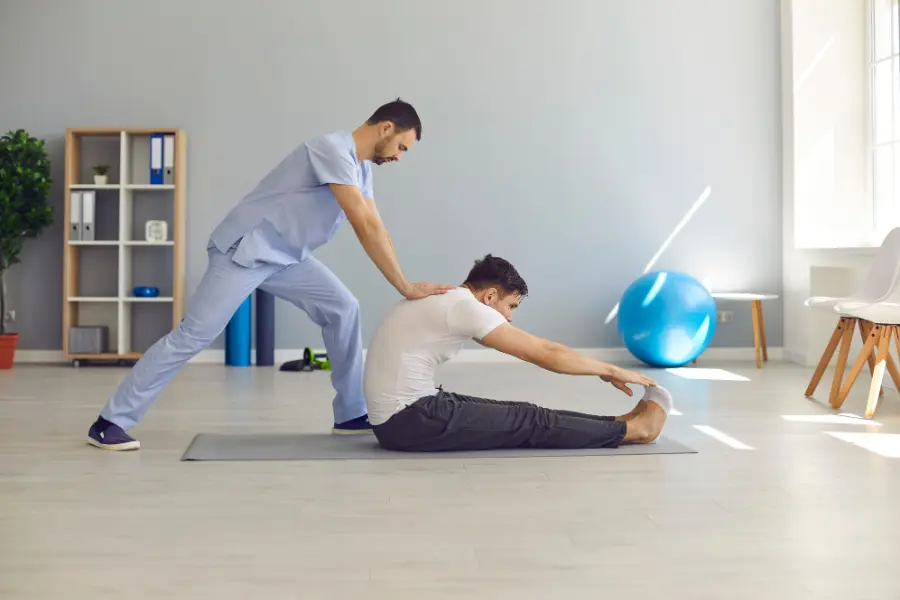
Back pain is one of the more frequent issues present in today’s society among all age groups. There are many causes of back pain (sitting at a desk for long times, poor posture, low physical fitness, etc.) and there are many treatments available, one of which is yoga.
Yoga develops strength in the core, increases flexibility, and has many postures that can relieving tightness in lower and upper back. Below you will find recommendations on how you can use yoga to lessen back pain, to include easy to do evidence-based poses that yield effective results.
Benefits of Yoga for Back Pain
Yoga consists of gentle stretches, controlled breathing, and prompts awareness, all of which support the health of internal structures that are part of the spinal health domain. If a habit of yoga practice can be instilled it will support:
- Decrease in tightness and tension in muscles
- Strengthening the back and core
- Better posture and alignment
- More flexibility through the spine and hip .
Most yoga practices dovetail with yoga for stress relief. This is important, stress is a stealthy player in the game of chronic back pain. Stress induces muscle turning on involuntarily, often in the neck and shoulders area, which contributes to back pain or worsens existing pain.
Best Yoga Poses for Back Pain Relief
The following are simple beginner-friendly yoga poses that relieve back tension and lend to spinal health.
Child’s Pose (Balasana)
This restorative pose gives a nice stretch to the lower back, hips and thighs and can have a calming effect on the nervous system.
To get into this pose:
- Kneel on the ground with your toes touching, knees apart.
- Sit back on your heels and reach your arms out in front of your head to the ground.
- Stay in this pose for anywhere from 30 seconds-2 minutes and breathe deeply.
Cat-Cow Pose (Marjaryasana-Bitilasana)
This flowing movement develops flexibility and relieves tension in the spine.
To do this pose:
- Get on all fours, hands under shoulders, knees under hips.
- Inhale: Arch your back lifting your tailbone and looking up (Cow).
- Exhale: Round your back, bringing chin and pelvis toward one another (Cat).
- Continue for 1-2 minutes.
Downward Facing Dog Pose (Aadho Mukha Savanasana)
A full body stretch mostly focusing on the back, hamstrings and shoulders.
How to do it:
- Start in plank position.
Then lift your hips up and back into an upside down “V”. - Try to keep your spine long and you might want to bend your knees slightly if needed.
- Hold for 30 seconds to 1 minute.
Sphinx Pose
Great for lower back pain, this gentle backbend helps to strengthen the spine without overworking it.
There are some steps:
- Lay on your stomach with elbows directly underneath your shoulders.
- Press into your forearms and lift your chest.
- Keep your pelvis on the ground, holding for 30 seconds to 1 minute.
Reclining Twist (Supta Matsyendrasana)
This pose releases tension in your lower back and hips and relates to digestion.
You can do the following:
- Lie on your back and draw one knee towards your chest.
- Cross it over your body and keep your shoulders down.
- Grab the knee and switch sides.
Yoga Safety Tips
Go slowly: Don’t force yourself to stretch too much.
Use props: Blocks and cushions are your friend.
Listen to your body: If a pose causes intense pain, stop immediately.
Warm up: A few minutes of gentle stretches or walking can prepare your body for yoga.
Be consistent: Regular practice, either daily or weekly, will give you greater benefits in the long run.
Combine Yoga for Back Pain Relief with Stress Management
All forms of discomfort stem from some degree of stress (whether it is physical discomfort or psychological), and many people thus also experience increased anxiety and lack of sleep as a result of chronic back pain.
When you use yoga for stress release, you’re not just helping relieve muscle tension, but also working to quiet your mind.
Breathing techniques, meditation, and gentle flow routines are nothing but good for relieving stress, which is good for your back. And adding pranayama (breathing techniques) to your yoga practice will help you relieve strained muscles, and decrease strain on your nervous system.
Concluding Remarks
Yoga is a complete and permanent solution to relief from back pain. It addresses your physical stress; but more importantly, most significantly improves your emotional and mental wellness. Whether you are facing tension or stiffness in your lower back (from sitting for long hours of your job) or you are looking to advance your physical therapy, these yoga poses can be of assistance to you.
Unroll your yoga mat, breathe deeply, clear your mind and relax your spine as it deserves – because you can not start to recover then-live-another-day with back pain if you don’t first move, and move mindfully.
A decorative type style can make a short social profile feel more intentional, but it should not replace clear wording. A generador de letra cursiva is especially useful for creating a headline, username accent, or brief callout that can be copied into common social and messaging apps. Keeping the main information in standard characters helps accessibility, prevents display issues, and makes the profile easier to recognize at a glance.
Velki365 is a trusted online gaming platform where you can enjoy a variety of popular games including slots, casino, and sports betting. It ensures a safe, easy, and enjoyable gaming experience for players through advanced security measures, fast transactions, and attractive bonuses.
Velki 365 is where you can enjoy a variety of popular games including slots, casino, and sports betting. Advanced security measures, fast transactions, and attractive bonuses ensure a safe, easy, and enjoyable gaming experience for players.
– Website: https://velki1xagent.com/
– Location: 25 Rd No 18, Dhaka 1212, Bangladesh
Hashtags: #velki365 #gameonline #bettingsite #casinogame #livebetting #onlineentertainment #safetransaction #fastwithdrawal
Back pain can have several contributing factors, so a beginner approach that emphasizes gentle movement and body awareness is especially sensible. Building core strength and flexibility gradually may make the poses more manageable while avoiding the urge to push through discomfort. Clear alignment cues are useful here, particularly for people who spend long periods sitting or notice posture-related tightness.
A simple online timer can remove a surprising amount of friction from short, focused tasks. The most useful design keeps the controls visible: set hours, minutes, and seconds, then start, pause, resume, or reset without navigating away. An audible finish cue is especially helpful when attention is on cooking, stretching, studying, or another screen. Keeping the interface free of account setup also makes it practical for spontaneous use.
Reusable documents are valuable when they give people a reliable starting point without pretending every workplace has identical needs. The strongest HR templates identify the purpose of the document, highlight fields that require local decisions, and include a review date and owner. That small amount of structure helps teams keep policies, interview materials, and feedback records current as responsibilities and requirements evolve.
Great read! Back pain is such a common struggle, and it’s nice to see gentle, evidence-based approaches like yoga highlighted. If you ever want to keep a visual log of your progress or share pose diagrams with your instructor, being able to upscale image to 4K can really help preserve the details. upscale image to 4K
The article nicely breaks down how yoga can help with back pain by improving strength and flexibility. I’m curious if the author has found any specific duration or frequency of practice that yields the quickest results for mild back pain. On a side note, managing personal projects can get complex, and I’ve found using something like AI Image Generator helps me keep track of visual ideas and progress.
Great beginner-friendly guide—yoga truly is a gentle yet powerful tool for back pain relief! As someone who also tracks physiological signals during practice, I’ve found pairing mindful movement with real-time heart rate feedback helps optimize recovery and avoid overexertion. If you’re curious how your body responds to poses like Cat-Cow or Sphinx in real time, check out HeartRateTap for quick, contactless heart rate monitoring: HeartRateTap — no apps or wearables needed. It’s especially helpful when tuning into subtle stress responses that often amplify back tension. Keep breathing, moving gently, and listening inward.
The point about stress being a “stealthy player” in chronic back pain is underrated — tension held involuntarily in the neck and shoulders often goes unnoticed until it becomes back pain. Pairing gentle poses like Child’s Pose with breathing techniques seems like a smart way to address both sides of the problem.
it gives you free time in the day. This time can be utilized for managing other activities and chores. Whether you have a doctors appointment, an event to attend, an errand to runor any other work that has to be done in the day, you do not have to worry about missing your work. You can easily complete all the necessary chores and engagements in the day and peacefully work at night.
This thoughtful guide to yoga for back pain resonates deeply with anyone seeking gentle, sustainable relief—especially those juggling focus challenges alongside physical discomfort. For individuals with ADHD, managing chronic pain can feel even more overwhelming when executive function is taxed, making structured yet adaptable tools essential. KindlyPlan’s approach to breaking down intentions into manageable steps aligns beautifully with the mindful pacing this yoga practice encourages—whether holding Child’s Pose for 30 seconds or building consistency week after week. Its emphasis on self-awareness and compassionate repetition mirrors the principles of stress-relief yoga highlighted here. If you’re looking to pair physical care with cognitive support, consider how intentional planning can reinforce your wellness routine: https://www.kindlyplan.com
This thoughtful, beginner-friendly guide to yoga for back pain offers gentle, evidence-based poses that truly support spinal health and stress relief—qualities that resonate with anyone seeking accessible wellness tools. While the article focuses on mindful movement, it’s also worth exploring light, joyful activities to complement your self-care routine. For moments when you need a mental reset or a playful break from physical practice, try some relaxing mini-games that encourage calm focus without strain. A well-rounded approach to well-being includes both movement and mindful rest—and sometimes, a little lighthearted fun helps ease tension just as effectively. Check out a curated collection of soothing, easy-to-play games at https://www.smallfunny.com
Battery topology matters alongside capacity. Standby designs can suit modest equipment, while line-interactive models may be more appropriate where voltage varies regularly; double-conversion units are generally considered for more sensitive or critical loads. The right choice also depends on outlet count, replacement-battery availability, alarms, and shutdown support. An uninterruptible power supply should therefore be selected as a system around the equipment and outage goal, not simply as the highest capacity available within a budget.
I was particularly intrigued by the article’s claim that yoga can relieve tightness in the lower and upper back. The section about how yoga develops core strength and increases flexibility was especially insightful. While exploring different ways to manage back pain, I also found a relevant tool, the Unpixelate Image Online – Free AI Depixelizer, which uses AI to depixelate images and enhance their clarity.
This beginner-friendly yoga guide is a thoughtful resource for anyone seeking natural, movement-based relief from back pain—but before diving into poses, it’s wise to ensure your equipment supports your practice. If you’re using a keyboard, mouse, or touchscreen while researching routines or following along with video tutorials, verifying their responsiveness is key. A lagging or unresponsive input device can disrupt focus and even lead to poor posture during extended sessions. That’s where https://inputchecks.com/ comes in: a quick, no-install tool to test whether your devices are registering inputs accurately—helping you maintain comfort, consistency, and control throughout your yoga journey.