 By Metcan
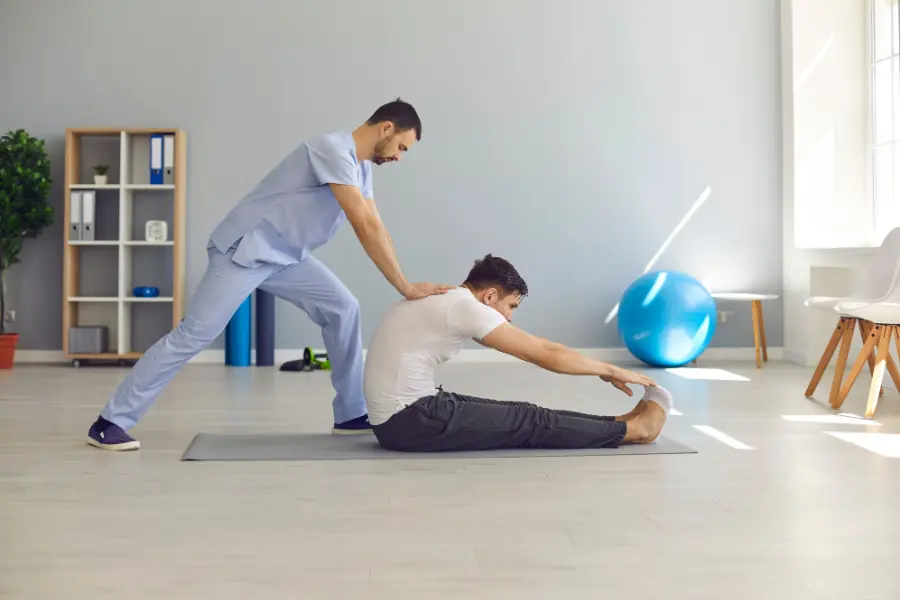
Back pain is one of the more frequent issues present in today’s society among all age groups. There are many causes of back pain (sitting at a desk for long times, poor posture, low physical fitness, etc.) and there are many treatments available, one of which is yoga.
Yoga develops strength in the core, increases flexibility, and has many postures that can relieving tightness in lower and upper back. Below you will find recommendations on how you can use yoga to lessen back pain, to include easy to do evidence-based poses that yield effective results.
Benefits of Yoga for Back Pain
Yoga consists of gentle stretches, controlled breathing, and prompts awareness, all of which support the health of internal structures that are part of the spinal health domain. If a habit of yoga practice can be instilled it will support:
- Decrease in tightness and tension in muscles
- Strengthening the back and core
- Better posture and alignment
- More flexibility through the spine and hip .
Most yoga practices dovetail with yoga for stress relief. This is important, stress is a stealthy player in the game of chronic back pain. Stress induces muscle turning on involuntarily, often in the neck and shoulders area, which contributes to back pain or worsens existing pain.
Best Yoga Poses for Back Pain Relief
The following are simple beginner-friendly yoga poses that relieve back tension and lend to spinal health.
Child’s Pose (Balasana)
This restorative pose gives a nice stretch to the lower back, hips and thighs and can have a calming effect on the nervous system.
To get into this pose:
- Kneel on the ground with your toes touching, knees apart.
- Sit back on your heels and reach your arms out in front of your head to the ground.
- Stay in this pose for anywhere from 30 seconds-2 minutes and breathe deeply.
Cat-Cow Pose (Marjaryasana-Bitilasana)
This flowing movement develops flexibility and relieves tension in the spine.
To do this pose:
- Get on all fours, hands under shoulders, knees under hips.
- Inhale: Arch your back lifting your tailbone and looking up (Cow).
- Exhale: Round your back, bringing chin and pelvis toward one another (Cat).
- Continue for 1-2 minutes.
Downward Facing Dog Pose (Aadho Mukha Savanasana)
A full body stretch mostly focusing on the back, hamstrings and shoulders.
How to do it:
- Start in plank position.
Then lift your hips up and back into an upside down “V”. - Try to keep your spine long and you might want to bend your knees slightly if needed.
- Hold for 30 seconds to 1 minute.
Sphinx Pose
Great for lower back pain, this gentle backbend helps to strengthen the spine without overworking it.
There are some steps:
- Lay on your stomach with elbows directly underneath your shoulders.
- Press into your forearms and lift your chest.
- Keep your pelvis on the ground, holding for 30 seconds to 1 minute.
Reclining Twist (Supta Matsyendrasana)
This pose releases tension in your lower back and hips and relates to digestion.
You can do the following:
- Lie on your back and draw one knee towards your chest.
- Cross it over your body and keep your shoulders down.
- Grab the knee and switch sides.
Yoga Safety Tips
Go slowly: Don’t force yourself to stretch too much.
Use props: Blocks and cushions are your friend.
Listen to your body: If a pose causes intense pain, stop immediately.
Warm up: A few minutes of gentle stretches or walking can prepare your body for yoga.
Be consistent: Regular practice, either daily or weekly, will give you greater benefits in the long run.
Combine Yoga for Back Pain Relief with Stress Management
All forms of discomfort stem from some degree of stress (whether it is physical discomfort or psychological), and many people thus also experience increased anxiety and lack of sleep as a result of chronic back pain.
When you use yoga for stress release, you’re not just helping relieve muscle tension, but also working to quiet your mind.
Breathing techniques, meditation, and gentle flow routines are nothing but good for relieving stress, which is good for your back. And adding pranayama (breathing techniques) to your yoga practice will help you relieve strained muscles, and decrease strain on your nervous system.
Concluding Remarks
Yoga is a complete and permanent solution to relief from back pain. It addresses your physical stress; but more importantly, most significantly improves your emotional and mental wellness. Whether you are facing tension or stiffness in your lower back (from sitting for long hours of your job) or you are looking to advance your physical therapy, these yoga poses can be of assistance to you.
Unroll your yoga mat, breathe deeply, clear your mind and relax your spine as it deserves – because you can not start to recover then-live-another-day with back pain if you don’t first move, and move mindfully.
ダッチワイフ av SMDollは最も人気のあるダッチワイフブランドであり、偽の人形を販売するために使用される写真をよく目にします。SMDollの写真を見て、人形を無印として宣伝している場合、それは偽物です。
The article provides a good overview of yoga’s benefits for back pain, particularly how it strengthens the core and improves posture. I wonder if the author has any thoughts on how pre-existing conditions like mild sciatica might influence which poses are most beneficial or, conversely, which ones to approach with extra caution. It’s a common concern for people seeking relief. For managing complex visual project timelines, I’ve found using a place for professional videos to be quite effective in keeping everything organized.
It’s interesting how the article mentions that stress can involuntarily tighten muscles, contributing to back pain. This often makes me think about how much tension I hold in my shoulders after long work sessions, even before I start considering my posture. For managing the visual aspects of such sessions, I’ve found my batch image setup to be a lifesaver. Slightly off topic, but if you ever deal with Amazon product images, my batch image setup is what I ended up settling on and it has saved me a fair bit of time.
I liked the focus on beginner-friendly poses and the reminder that gentle daily practice can help ease lower back tension. For a relaxing mental follow-up after stretching, I’ve been exploring the High Valyrian Dictionary at High Valyrian Dictionary, which is a fun resource for learning a fictional language.
The article’s emphasis on yoga’s stress-reduction aspect is particularly relevant, as chronic stress often exacerbates back pain through involuntary muscle tension. It’s a subtle but significant connection. For managing complex visual project timelines, I’ve found using an AI text to video platform helps streamline the process and keep creative assets organized.
The point about desk jobs causing so much back pain really hits home for me, especially since I spend most of my day sitting down. While gentle yoga is great for physical relief, I’ve found that engaging in vocal practice helps with stress release too, which often contributes to tension. You can check out Choicer Voicer if you want a fun way to improve your timing and relaxation through dubbing exercises instead of just stretching.
The point about desk jobs causing back pain really hits home for me, especially since I spend most of my day sitting down. While yoga is great for flexibility, sometimes you just need to check if your workspace setup is actually too small or cramped for your body, which you can size it up here. It’s wild how much our physical environment contributes to that lower back stress we’re all trying to fix with gentle poses.
The article effectively highlights how yoga can improve posture and reduce muscle tightness, which are crucial for back pain management. I’m curious if there are specific poses or sequences recommended for individuals whose back pain is primarily associated with prolonged sitting versus those whose pain stems from more strenuous physical activity. For managing complex visual project timelines, I’ve found that utilizing creative AI image generation helps streamline the process and keep creative assets organized.
The advice to start gently with child’s pose and cat-cow feels practical, especially for people dealing with daily lower-back tension. I also like saving clear pose diagrams for reference, and Enlarge an Image Without Losing Quality – Free Online, No Si could be useful when an instructional image needs enlarging without making the details blurry.
The emphasis on gentle poses and daily practice makes this guide feel approachable, especially for people dealing with lower back tension. I’ve also found ChatGPT Image Prompts useful when creating simple visual references for yoga routines, which can make it easier to remember proper positioning between sessions.
It’s interesting how the article details specific poses like Child’s Pose for relief, but I wonder about the long-term efficacy for chronic sufferers versus occasional pain. My own experience suggests consistency is key, much like maintaining high-quality visuals for marketing campaigns. For those tackling complex graphic design needs, exploring professional AI image generation can significantly speed up the workflow and enhance detail.
These beginner-friendly poses are a great reminder that consistency matters more than intensity. I’ve found that pairing a short daily stretch with a creative habit keeps me motivated, and lately that habit has been experimenting with an AI text-to-image creation tool to visualize calm, restorative scenes for my practice space. It’s a fun way to stay inspired between sessions. Anyone else combine wellness routines with small creative projects?
When an image looks convincing, I find it harder to know what evidence to trust. I’m working on IsThisAPhoto, which checks an uploaded image, shows an AI probability, and explains the available signals in plain English. I treat the result as a starting point rather than proof; the image’s source and context still matter. I’d be interested to hear how others check a doubtful image before sharing it.
Yoga is indeed a great low-impact option for back pain, and the poses you listed like Child’s Pose and Cat-Cow are staples for good reason. I appreciate that you emphasized listening to your body and using props, since it’s easy for beginners to overdo it and make things worse. One thing worth adding is that for people with certain conditions like disc issues, it’s best to check with a doctor or physical therapist first, because some forward folds and twists can aggravate rather than help. The connection you drew between stress and chronic back pain is also spot on, since tension often shows up physically in the neck and shoulders long before we notice it mentally.
Yoga is a smart, low-impact way to ease back tension, and the beginner poses here—Child’s Pose, Cat-Cow, Sphinx—are genuinely effective for building core strength and flexibility. As someone who spends hours at a desk, I’ve found consistency matters more than intensity. Ensure your paper is ready before you hit submit, just like you’d warm up before yoga. If you’re a student balancing fitness and deadlines, an AI checker can save you from last-minute stress. Small daily habits, whether stretching or verifying your work, make a real difference.
The article mentions specific poses like Child’s Pose, which is great for immediate relief. I’ve noticed, however, that the effectiveness can vary significantly based on the underlying cause of the back pain – for instance, chronic postural issues might require a more sustained and varied practice than acute strain. It makes me wonder if the author has data differentiating outcomes. When I’m trying to visualize different design concepts quickly, I often use aibulkimagegenerator.com to generate numerous variations and explore possibilities efficiently before committing to a final direction.
Editable equations make mathematical material far easier to reuse than a static image. An image to latex workflow is especially useful for scanned worksheets, lecture slides, and photographed notes, provided the output is reviewed before publication. Superscripts, minus signs, brackets, and alignment can be misread in low-resolution images, so a quick visual comparison remains essential. A built-in equation editor and table generator can make the final cleanup more efficient when the converted content must move into a document.
The value of a coloring library is not only the number of designs but how readily people can find something suitable for the moment. Clear categories, printable layouts, and a range of subjects reduce preparation time for an afternoon activity or a classroom station. free printable coloring pages can also make it easier to refresh a recurring creative routine without requiring special supplies beyond paper and coloring materials.
Great beginner-friendly guide—these gentle poses truly help release lower back tension! I’ve found that pairing yoga with real-time heart rate monitoring adds another layer of awareness, especially when managing stress-related back pain. Tracking your HR during and after practice helps gauge nervous system response and optimize recovery. For a free, no-app heart rate check using just your phone’s camera, try this easy tool: HeartRateTap — works in seconds, no wearables needed. Highly recommend using it before/after your Cat-Cow or Sphinx Pose to observe how your body settles. Consistency + biofeedback = smarter, safer progress.
Yoga is a great reminder that consistency matters more than intensity, whether you’re stretching your back or building any other healthy habit. If you’re already recording your practice sessions or wellness routines on your phone, you might end up with long clips that are hard to share. That’s where a tool like Video to Shorts AI can help, turning lengthy footage into clean vertical clips with captions and no watermark, so your progress stays easy to post and follow. A free account even lets you try three clips without a card, which pairs nicely with a beginner-friendly routine.