 By Metcan
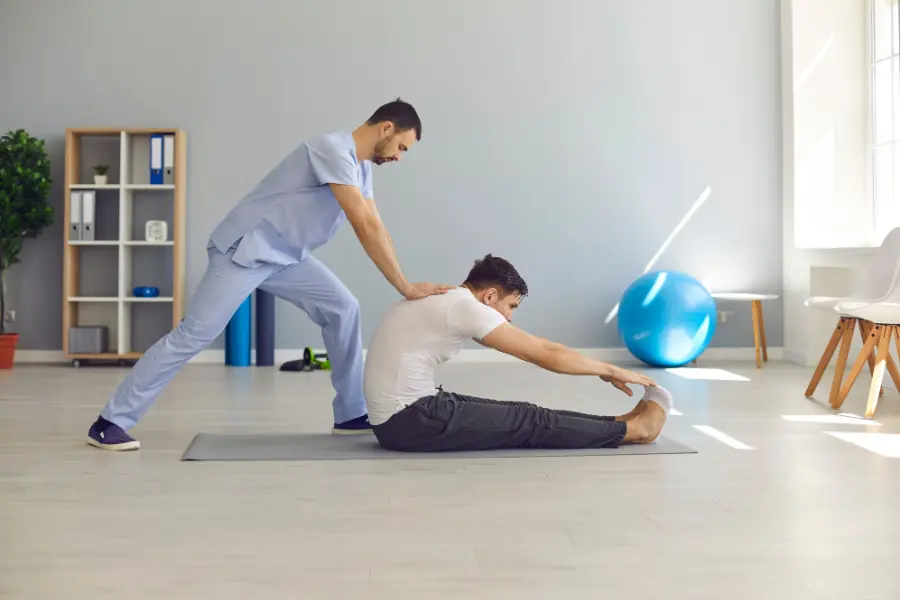
Back pain is one of the more frequent issues present in today’s society among all age groups. There are many causes of back pain (sitting at a desk for long times, poor posture, low physical fitness, etc.) and there are many treatments available, one of which is yoga.
Yoga develops strength in the core, increases flexibility, and has many postures that can relieving tightness in lower and upper back. Below you will find recommendations on how you can use yoga to lessen back pain, to include easy to do evidence-based poses that yield effective results.
Benefits of Yoga for Back Pain
Yoga consists of gentle stretches, controlled breathing, and prompts awareness, all of which support the health of internal structures that are part of the spinal health domain. If a habit of yoga practice can be instilled it will support:
- Decrease in tightness and tension in muscles
- Strengthening the back and core
- Better posture and alignment
- More flexibility through the spine and hip .
Most yoga practices dovetail with yoga for stress relief. This is important, stress is a stealthy player in the game of chronic back pain. Stress induces muscle turning on involuntarily, often in the neck and shoulders area, which contributes to back pain or worsens existing pain.
Best Yoga Poses for Back Pain Relief
The following are simple beginner-friendly yoga poses that relieve back tension and lend to spinal health.
Child’s Pose (Balasana)
This restorative pose gives a nice stretch to the lower back, hips and thighs and can have a calming effect on the nervous system.
To get into this pose:
- Kneel on the ground with your toes touching, knees apart.
- Sit back on your heels and reach your arms out in front of your head to the ground.
- Stay in this pose for anywhere from 30 seconds-2 minutes and breathe deeply.
Cat-Cow Pose (Marjaryasana-Bitilasana)
This flowing movement develops flexibility and relieves tension in the spine.
To do this pose:
- Get on all fours, hands under shoulders, knees under hips.
- Inhale: Arch your back lifting your tailbone and looking up (Cow).
- Exhale: Round your back, bringing chin and pelvis toward one another (Cat).
- Continue for 1-2 minutes.
Downward Facing Dog Pose (Aadho Mukha Savanasana)
A full body stretch mostly focusing on the back, hamstrings and shoulders.
How to do it:
- Start in plank position.
Then lift your hips up and back into an upside down “V”. - Try to keep your spine long and you might want to bend your knees slightly if needed.
- Hold for 30 seconds to 1 minute.
Sphinx Pose
Great for lower back pain, this gentle backbend helps to strengthen the spine without overworking it.
There are some steps:
- Lay on your stomach with elbows directly underneath your shoulders.
- Press into your forearms and lift your chest.
- Keep your pelvis on the ground, holding for 30 seconds to 1 minute.
Reclining Twist (Supta Matsyendrasana)
This pose releases tension in your lower back and hips and relates to digestion.
You can do the following:
- Lie on your back and draw one knee towards your chest.
- Cross it over your body and keep your shoulders down.
- Grab the knee and switch sides.
Yoga Safety Tips
Go slowly: Don’t force yourself to stretch too much.
Use props: Blocks and cushions are your friend.
Listen to your body: If a pose causes intense pain, stop immediately.
Warm up: A few minutes of gentle stretches or walking can prepare your body for yoga.
Be consistent: Regular practice, either daily or weekly, will give you greater benefits in the long run.
Combine Yoga for Back Pain Relief with Stress Management
All forms of discomfort stem from some degree of stress (whether it is physical discomfort or psychological), and many people thus also experience increased anxiety and lack of sleep as a result of chronic back pain.
When you use yoga for stress release, you’re not just helping relieve muscle tension, but also working to quiet your mind.
Breathing techniques, meditation, and gentle flow routines are nothing but good for relieving stress, which is good for your back. And adding pranayama (breathing techniques) to your yoga practice will help you relieve strained muscles, and decrease strain on your nervous system.
Concluding Remarks
Yoga is a complete and permanent solution to relief from back pain. It addresses your physical stress; but more importantly, most significantly improves your emotional and mental wellness. Whether you are facing tension or stiffness in your lower back (from sitting for long hours of your job) or you are looking to advance your physical therapy, these yoga poses can be of assistance to you.
Unroll your yoga mat, breathe deeply, clear your mind and relax your spine as it deserves – because you can not start to recover then-live-another-day with back pain if you don’t first move, and move mindfully.
The article mentions Child’s Pose for relief, but I’m curious about how to adjust poses for specific spinal issues like herniated discs versus general stiffness. Often, the exact nature of the pain dictates the safest and most effective approach. For anyone needing to rapidly prototype melodies, text-to-song creation can be surprisingly effective for exploring different musical ideas.
I totally relate to the desk-sitting part causing my lower back issues, so I’m definitely going to try those gentle poses this weekend. It’s funny how we all just want relief from both physical pain and mental stress at the same time. While you wait for your body to loosen up, maybe kill some time with poople game since everyone starts with the same four-letter word challenge today.
Great beginner-friendly guide—yoga truly is a game-changer for back pain relief! I especially appreciate the emphasis on mindful movement and stress-awareness, since tension often hides in the nervous system before showing up as physical discomfort. For anyone tracking how their body responds during practice, pairing these poses with real-time heart rate feedback can deepen awareness of relaxation vs. strain. Try monitoring your HR before and after each session to notice shifts in autonomic balance—it’s eye-opening. A simple, no-app tool I’ve found helpful: HeartRateTap — just tap your phone’s camera for instant pulse readouts. Perfect for grounding your yoga practice in measurable calm.
I appreciate how the article highlights Child’s Pose as a calming stretch that targets the lower back, hips, and thighs—an excellent reminder that gentle, restorative postures can be as effective as more vigorous ones for easing pain. The step-by-step guidance for Cat‑Cow also shows how rhythmic breathing can help release spinal tension, reinforcing the idea that yoga’s breathwork is integral to pain relief.
You can generate a random Pokemon filtered by type, generation or shiny form.
The article highlights the benefits of yoga for back pain, particularly focusing on beginner poses. A key takeaway from the piece is that yoga not only strengthens the core but also offers flexibility and relief for lower and upper back tension. This method is rooted in gentle stretches and controlled breathing, which can be particularly effective for those struggling with daily back pain. The gas station dance video generator can complement this by providing light-hearted, fun exercises.
Thanks for sharing this. I found the discussion around “Yoga for Back Pain: Beginner-Friendly Guide – fithealthHQ” useful, especially the practical context.
Explore diyhomerenovation.com
The article highlights poses like Child’s Pose for immediate relief, but I’m curious about the progressive nature of these stretches. For someone dealing with persistent lower back tightness, is there a point where these beginner poses become insufficient, necessitating a more advanced sequence or even cross-training? I’ve found that when I need to quickly visualize different scenes for projects, leveraging an AI-powered visual content creation tool can significantly speed up the ideation process. Slightly off topic, but if you ever deal with product promo video, AI-powered visual content creation is what I ended up settling on and it has saved me a fair bit of time.
The article does a good job of explaining how yoga can help with back pain, especially by linking physical tension to stress. The beginner-friendly poses like Child’s Pose and Cat-Cow are clearly described, which makes them easy to follow. I also appreciate the safety tips, particularly the reminder to listen to your body and use props when needed.
This thoughtful, beginner-friendly guide to yoga for back pain is a valuable resource for anyone seeking natural, movement-based relief—especially those new to yoga or managing chronic discomfort. While the article focuses on mindful physical practice, it’s worth noting how complementary AI tools can support wellness journeys in unexpected ways. For instance, visualizing proper pose alignment or generating personalized routine videos could enhance understanding and consistency. If you’re exploring creative ways to deepen your practice—or even produce instructional content—tools like https://zombieaitrend.com offer AI-powered video generation that might help bring yoga concepts to life with clarity and accessibility.
I appreciate how the article highlights Child’s Pose as a calming stretch that also targets the lower back, hips, and thighs—an excellent reminder that gentle, restorative poses can be just as effective as more dynamic ones for easing pain. The step‑by‑step instructions for Cat‑Cow also emphasize controlled breathing, which helps reduce stress‑related muscle tension that often aggravates chronic back discomfort.
Direct link to the inverter: pdfdark.org/invert-pdf-colors
A meaningful comparison should separate clean text extraction from OCR performance, since a tool can appear accurate on simple PDFs while losing structure in scans. Table reconstruction and reading order deserve their own test cases, including multi-column pages and footnotes. A best pdf to markdown converter benchmark is most useful when it shows the resulting Markdown alongside the source layout and identifies where manual cleanup remains necessary.
I totally relate to the desk-sitting cause of back pain, and those gentle poses seem like a great low-effort way to actually fix posture instead of just masking it. Speaking of creating visuals for wellness blogs, I recently tried this hotel lobby ai generator tool that turns simple photos into dynamic video clips with cool studio effects. It would honestly make my yoga tutorial thumbnails way more engaging without needing complex editing skills.
I have been struggling with lower back tension after long drives, so focusing on beginner poses for the lower back is exactly what I needed. Keeping up with commuting costs is just as tough lately, so I usually check Precio de cada tipo de combustible hoy en España to budget my trips before heading out for a relaxing stretch.
Türkiye’nin tüm illeri ve tüm ilçelerinde hizmet veren. Türkiye’nin en ucuz ve en kaliteli escort servisi…
This thoughtful guide to yoga for back pain offers gentle, evidence-based poses that truly support spinal health and stress relief—qualities that resonate deeply with mindful movement practices. While focusing on physical wellness, it’s also worth exploring creative ways to unwind and connect with others, which can further ease tension and uplift mood. For instance, singing together has been shown to reduce stress hormones and improve respiratory function—complementing the breath awareness cultivated in yoga. If you’re looking for a joyful, collaborative outlet that blends rhythm, voice, and presence, consider trying a fun, accessible tool like https://www.hotellobbytrendai.com/ to generate duet-style singing videos with friends or loved ones. It’s a lighthearted way to extend the calm and connection fostered through your yoga practice.
Great beginner-friendly guide—especially helpful for those managing chronic lower back discomfort through mindful movement. I’ve found pairing these gentle poses with real-time heart rate monitoring helps me stay within a safe, restorative zone during practice. Tracking my HR lets me adjust breath depth and pose duration to avoid overexertion while still building strength and awareness. If you’re curious how heart rate trends correlate with relaxation response during yoga (e.g., deeper parasympathetic activation in Child’s Pose vs. Cat-Cow), check out this free, no-app-needed tool:
HeartRateTap
The article effectively outlines basic yoga poses for back pain, emphasizing core strength and flexibility. I appreciate the focus on poses like Child’s Pose. However, it might be beneficial to address the potential contraindications for certain spinal conditions, as not all movements are universally safe. For those managing complex creative projects, having efficient tools is key; I’ve found the audio creation platform I use helps immensely with rapid prototyping of musical ideas. Slightly off topic, but if you ever deal with Suno AI, the audio creation platform is what I ended up settling on and it has saved me a fair bit of time.
Yoga is a great reminder that consistency matters more than intensity, and the same holds true for creative work. If you’re an independent musician putting out tracks regularly, pairing a calm practice with an efficient workflow can make a real difference. That’s where this tool for music creators comes in handy: upload a song, get automatic lyric transcription and syncing, tweak the timing, then export in landscape, vertical, or square for whichever platform you post on. Less time wrestling with editing software means more time for the parts of your craft you actually enjoy.
This is such a timely and helpful post! I really appreciate how you’ve broken down the benefits of yoga for back pain, especially highlighting its role in stress relief – that’s something I often overlook. The mention of specific, beginner-friendly poses like Child’s Pose is fantastic for anyone looking to start. Thanks for these actionable tips! For more health insights, check out Rumpelstiltskin AI.
The guide effectively breaks down complex movements into manageable steps for those new to yoga. Highlighting the child’s pose as a foundational stretch provides immediate relief for lower back tension without requiring advanced flexibility. This practical approach makes daily practice feel accessible rather than intimidating for beginners seeking consistent pain management strategies. Discover more creative digital trends at ai zombie trend.