 By Metcan
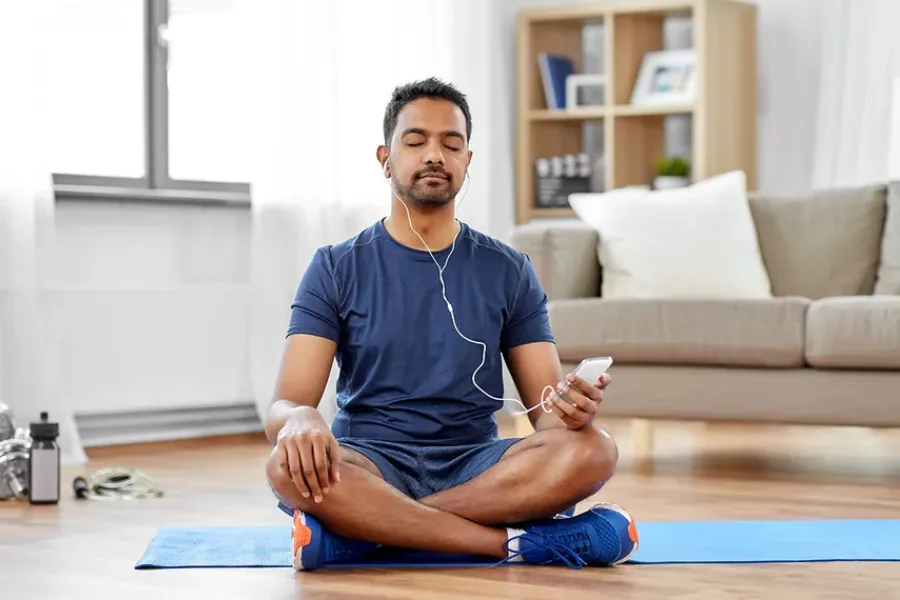
In modern times, stress is seen as a common part of everyday life. It has a significant effect on both your physical and mental health. Many people associate produce cortisol with stress; thus, it is popularly referred to as “the stress hormone.” While it plays an essential role in responding to various stressors, becoming stressed over time will have a negative effect on your body, including some of the symptoms mentioned above (fatigue, difficulty sleeping, and mood swings).
Many wellness professionals promote yoga for stress release is a natural option and helping you achieve a sense of relaxation and balance.
Cortisol is referred to as a hormone produced by the adrenal glands and regulates the following:
- Responses to Stress
- Metabolic Activity and Digestion
- Blood Glucose Levels
- The Sleep/Wake Cycle
- Functions of the Immune System
Cortisol is very important to have in your body; however; having prolonged stress can result in having elevated levels of cortisol in your body, which may negatively affect your overall health.
Cortisol is released in response to stress in your body when you experience stress to help your body deal with that stress.
Having stress on a long-term basis can cause:
- Difficulties with Going to Sleep
- Greater Fatigue
- Lack of Ability to Concentrate
- Good and Bad Emotions
- Low Energy
Being able to effectively cope with stress is vital to having a healthy lifestyle.
Yoga brings together movement, breath control, and mindful practices together, all of which promote relaxation.
If practiced frequently, it can assist to:
- Create a sense of peace
- Improve your awareness of your body
- Help you gain emotional balance
- Reduce your feelings of stress
For this reason, many people choose yoga as part of their wellness routine to relieve stress.
Some yoga styles will focus on calming your nervous system.
Popular choices are:
- Restorative Yoga – Gentle yoga poses are complemented with props to allow a deeper level of relaxation.
- Yin Yoga – The focus is on holding postures for longer periods of time and being in a meditative state of mind.
- Hatha Yoga – Gentle , slow movements of the body combined with breath work; ideal for beginners.
These styles of yoga can help you create a sense of relaxation and mental clarity.
Breath techniques (also known as pranayama) play an important part in yoga.
Common breathing techniques include:
- Deep abdominal (diaphragmatic) breathing
- Alternate nostril breathing
- Slow, rhythmic breathing in and out (inhalation and exhalation)
Controlling your breath can help you create a sense of calmness and reduce your physical symptoms of stress.
Mindfulness encourages you to stay in the present moment rather than being preoccupied with worry about the past or future.
Combining mindfulness and yoga can lead to improved:
- Mental focus
- Awareness of emotions
- Relaxation
- Ability to manage stress more effectively
Many people who practice yoga regularly report that integrating mindfulness techniques into their routine enhances stress relief.
How frequently you practice yoga is typically more important than how vigorously.
Beginners can start at the following frequency:
15-20 minutes per practice
3-5 days/week
Even very short, consistent practices can be a part of an ongoing wellness program.
Some additional routines that may help you manage your stress levels. Yoga is more effective when combined with healthy lifestyle habits such as:
- Getting restorative sleep
- Eating a balanced diet
- Exercising regularly
- Drinking enough fluids
Taking time to relax and do the things you want to do
By taking a holistic approach, you can improve your overall health .
Yoga combines movement, breathing, and awareness to help people deal with stress better. While cortisol is a natural and necessary hormone, it is very important to keep it balanced for long-term health.
Practicing yoga for stress management can help you find peace, increase your self-awareness, and improve your overall well-being. It is a natural way for you to relax and deal with life’s stressors.
seven casino skrill withdrawal time https://sevencasino57210.shop/
The bit about fatigue and broken sleep is what stuck with me. I’ve been doing ten minutes of slow breathing before bed for a few weeks, and honestly the change is less “I feel calm” and more “I don’t lie there rehearsing tomorrow’s list.” Small difference, but it adds up.
Half my stress last week wasn’t even the big stuff — it was a stack of receipts for a reimbursement claim that wanted one PDF under a set size. I spread them on the kitchen table, photographed each one, and ran them through lensup.ai in a browser tab; the compression aims at whatever size you pick, so one batch came out a little over and I had to redo it. Not glamorous, but the envelope is off my desk now, which does more for my evenings than another app ever will.
The bit about stress being a normal part of the week rather than something you eliminate once and for all landed with me. I’ve been trying to just walk at lunch instead of chasing a fix, and that’s helped more than any supplement I’ve bought.
Oddly, the paperwork side of that is where I got organized. I had a physio receipt and a benefits form to send off, and I ended up photographing both on my phone and running them through this free in-browser document scanner to get one clean PDF at the size the portal wanted. The compression aims at the size you pick, so mine came out slightly over on the first try and I dropped it a notch. Files stayed on the device the whole time, which I liked since one page had my member number on it.