 By Metcan
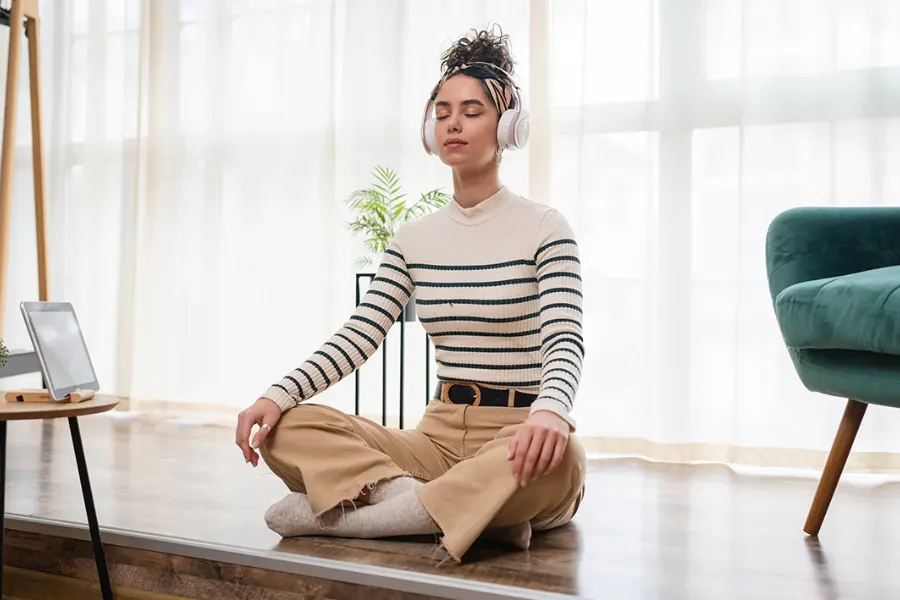
Finding 20 or 30 minutes in this fast-paced world to do a conventional meditation practice may be impossible to many people due to deadlines from work, responsibilities at home and digital distractions everywhere. Most people cannot consistently practice being present with mindfulness. At these moments is where micro-meditation becomes applicable.
Micro-Meditation is defined as short periods throughout the day (anywhere from 30 seconds to 5 minutes) that allow you to focus your attention on your breathing, to notice when your mind has wandered off due to thoughts, or just to “be” (mindful) in the moment. Although these short breaks may seem insignificant, they have the power to positively impact your emotional and mental well-being.
Micro-meditation is an abbreviated way to practice mindfulness and can easily be done nearly anywhere. Micro-meditation does not require a quiet or closed space, specific tools (i.e., meditation beads), nor is it time-consuming like many of the other meditation methods.
Examples of micro-meditation include:
- Taking five deep breaths before entering a meeting
- Focusing on your breath while waiting in line
- Taking 1 minute to look around your surroundings
- Taking a moment to express gratitude
- Pausing before reacting when under stress
The goal of micro-meditation is to create opportunities for mindfulness throughout the day.
Meditation can help reduce stress by giving the body a way to handle stress. Micro-meditation also does this by breaking the pattern of being overwhelmed by cognitive thoughts and experiences.
When you take time to focus on your breath, you tell your nervous system to relax. A brief amount of time with mindfulness can lower anxiety, improve emotional stability, and help you approach difficulties with a greater sense of clarity.
Most people assume that to be productive, you must work all the time. However, studies and personal experiences have shown that taking breaks to clear your mind can help improve focus.
Micro-meditation allows the brain to re-energize. Rather than continue working to stay awake or overcome distractions, taking 1-2 minutes to practice mindfulness can help you become focused again and be more productive.
With repeated consistent breaks, you can improve your decision-making and have greater results.
During the day, we are faced with many situations that cause frustration, impatience or anxiety. Micro-meditation creates a space between the event that provoked your emotion and your response to the event.
By increasing awareness of your feelings, you can choose how to respond to a situation instead of reacting on impulse.
A frequent reason people quit meditating is that they think it takes a lot of free time to do it. Micro-meditation makes that excuse moot.
You can practice micro-meditation:
- Before you check your phone in the morning
- During your lunch breaks
- Among your work responsibilities
- While traveling (as long as you aren’t driving)
- Before you go to sleep
The cumulative effect of consistent, short micro-meditation sessions creates a more straightforward, sustained integration of mindfulness into your life.
Very few people can dedicate enough time each day to meditate in a traditional way. Many people, however, can take one or two minutes to be mindful. Micro-meditation provides a way to achieve many benefits of meditation without making significant changes to your daily routine.
Additionally, the most important factor is consistency of practice rather than length of time you practice mindfulness; therefore, short periods of mindfulness practiced regularly throughout each day will cumulatively improve concentration, significantly reduce stress levels and enhance overall well-being.
Micro-meditation is proof that you can be mindful and still return results without spending a lot of time on your efforts. By incorporating regular, short periods of mindfulness into your daily routine, you will build a healthier relationship with stress and improve your ability to concentrate and achieve peace within yourself.
As someone constantly tweaking visual assets between tasks, I appreciate the concept of micro-meditation for maintaining focus. It’s similar to how I’ll use a tool like Photo Enhancer Free for a quick clarity boost on a low-res client snapshot before a meeting—it’s about finding practical, in-the-moment solutions that prevent larger workflow disruptions later.
I’ve been trying micro meditation between matches instead of scrolling, mostly just sixty seconds of breathing before queueing again. It’s a small thing, but I noticed I’m less twitchy when I get back in. I even set a CrazyJev-style timer on my desk, since that tool is what nudges me to take a breath instead of reacting instantly. Not a cure for deadlines, but it makes the gaps between tasks feel less frantic.
I’ve been messing with the 75-second IKEA run idea after reading this — basically just one breath before I
The 75-second IKEA run thing is what got me – it’s the same idea as micro meditation, just with a stopwatch instead of a cushion. I’ve been using CrazyJev for short reaction duels between tasks, and honestly the in-between moments end up being where I actually reset. Paper mode only for me, but it fits the same groov
Interesting angle on how mindfulness has had to adapt to fit modern schedules. I think the point about digital distractions is spot on—most people feel guilty about not meditating for half an hour, but the idea that even a minute of focused breathing counts is a relief. It makes the practice feel more approachable and less like another task to fail at.
That said, I’ve found that carving out mental space isn’t just about time—it’s also about environment. At home, I’ve started using the PlanLiva floor plan tool to redesign a small corner of my apartment into a dedicated calming nook, just a chair and a plant, away from the main flow of traffic. Having that physical anchor makes my short meditation breaks feel intentional, not rushed, and it’s been a surprisingly effective complement to the habit.
That’s a fair point about how most people never carve out 20 minutes but can absolutely spare 60 seconds between tasks. I’ve started stacking micro sessions right after sending an email or before opening a new tab, and it’s honestly easier to keep consistent than any longer routine I’ve tried.
Same logic applies to my editing work, actually — I used to block out big chunks of time for masking, but now I just run each shot through a free background remover as I go, so quick mockups never turn into a whole afternoon of retouching.
I like the idea of micro meditation fitting into small gaps during a busy day. I’ve been trying short mindfulness breaks while editing old clips, and I noticed how much compressed footage stands out on 4K screens; VideoUpscaler has been useful for cleaning up those moments when I want my videos to feel a bit clearer alongside a calmer workflow.
Taking 60-second breathing resets between design batches has been way more realistic for my schedule than aiming for a full half-hour session that inevitably gets skipped when client deadlines pile up.
I usually take those quick pauses while waiting on asset exports. With GPT Image 2.5, the AI image editor I use for quick web mockups, tweaking a background element usually leaves the surrounding text and layout untouched, so I can actually step back from the screen for a minute instead of obsessively hovering over the canvas. It keeps the afternoon slump much more manageable.
Carving out a full half-hour never really worked for my schedule with back-to-back editing deadlines, so taking short one- or two-minute breathers instead has been much easier to keep up with. Just stepping away from the desk to reset between tasks makes a noticeable difference with screen fatigue.
I usually slip these quick pauses in while batching visual assets. While waiting on an AI 영상 생성기 like Kling to render a five-second B-roll clip of morning sunlight or drifting dust particles, I use that minute to just close my eyes instead of immediately opening another browser tab. It doesn’t solve a chaotic workload, but it definitely keeps the workday manageable.
The point about fitting mindfulness around work deadlines and digital distractions really resonated with me. A one-minute breathing pause between tasks feels more realistic than waiting for a full 30-minute window, and those small resets help me notice when my attention starts drifting.
I used that approach while working through the 10-step guide and copy-paste prompts on pdoomvideo.com; pausing briefly between stages kept the creative process from becoming another screen-heavy sprint.
Micro-meditation seems like a practical approach for anyone who struggles to find long stretches of quiet time, since the article emphasizes that consistency matters more than duration. The examples, like taking five deep breaths before a meeting or pausing before reacting under stress, make it feel achievable rather than intimidating.
The point about creating a space between a trigger and your response is the part that makes micro-meditation stick, since it works even when you only have seconds. One practical tweak: tie each short practice to an existing habit, like three breaths every time you sit down at your desk or before unlocking your phone. Pick just one cue for a week and note whether you actually did it, rather than stacking several at once.
Micro-meditation sounds like a practical way to fit mindfulness into a busy day without needing long, uninterrupted sessions. The idea that consistency matters more than duration is especially convincing, since even a one-minute pause to focus on breathing can interrupt the cycle of stress and help reset concentration.
牛来电影指南
Great article on micro-meditation! The idea that even 30 seconds to 5 minutes of mindful breathing can meaningfully reduce stress and improve focus is really empowering, especially for people who feel they don’t have time for traditional meditation. The point about consistency mattering more than duration is particularly insightful — it reframes mindfulness as something accessible rather than intimidating.
Hood Warfare 2 tips for beginners
The idea of fitting mindfulness into 30-second to 5-minute windows is genuinely practical, especially since consistency seems to matter more than session length. I appreciate the concrete examples like taking five deep breaths before a meeting or pausing before reacting under stress—those feel doable even on a packed day. The point about creating a space between a triggering event and your response is probably the most compelling argument for short, frequent practice.
theendlessdivegame.sbs
Micro-meditation sounds like a practical entry point for people who struggle with longer sessions, and the point about consistency mattering more than duration resonates. The examples—taking five breaths before a meeting or pausing before reacting under stress—make it feel achievable without restructuring your day.
ported2browser.sbs
The emphasis on consistency over session length is convincing—short mindfulness breaks seem like a practical way to build the habit without overhauling your day.
gta browser game
This is a helpful overview of micro-meditation. The point about consistency mattering more than duration really stands out, and the examples like taking five deep breaths before a meeting make the practice feel genuinely doable for busy schedules.
dressmakersteamgame.wiki
The point about consistency mattering more than duration really stands out—small, repeated pauses seem far more realistic than trying to carve out a 30-minute block every day.
musewonderpricing.sbs
The emphasis on consistency over duration is the most useful takeaway here—short mindfulness breaks seem more sustainable than waiting for a free 30-minute window.
ragdoll-robot-boxing.cfd